
We moved down the street! See You at our new location: 8401 University Executive Park Dr., Suite 120, Charlotte, NC 28262. Call now to schedule an appointment
The best way to prevent cavities is to brush twice a day with fluoride toothpaste, clean between your teeth daily, limit frequent sugar exposure, and keep up with routine dental care such as teeth cleaning and other preventive dental care. These steps lower plaque and acid buildup, strengthen enamel, and help catch early decay before it turns into pain or a larger repair.
If you're focused on stopping early decay and reducing daily plaque buildup, professional teeth cleaning and preventive exams detect trouble sooner and help strengthen enamel. Charlotte Dental Associates in Charlotte, NC provides gentle teeth cleaning and individualized prevention plans to protect teeth and simplify home care.
Cavities, also called dental caries or tooth decay, start when bacteria in plaque feed on sugars and starches from food and drinks. Those bacteria produce acids that pull minerals out of enamel, the hard outer layer of the tooth.
In the early stage, saliva and fluoride can help replace some of those lost minerals. If acid attacks happen often enough, the enamel breaks down and a permanent hole forms.
Some people have a higher cavity risk than others. Frequent snacking, sweetened drinks, dry mouth, exposed roots, deep grooves in molars, braces, and areas that are hard to clean can all make decay more likely.
Brush for two minutes twice a day with a soft-bristled toothbrush and an American Dental Association-accepted fluoride toothpaste. Clean the front, back, and chewing surfaces of every tooth, especially along the gumline and on back molars.
After brushing, spit out the extra toothpaste instead of rinsing repeatedly with water. This can help fluoride remain on the teeth longer, though toothpaste should not be swallowed.
Clean between your teeth once a day with floss, interdental brushes, or another tool your dentist recommends. Toothbrush bristles usually cannot reach those tight spaces well.
For more detail on daily buildup removal, see how to remove plaque.
Replace a manual toothbrush or electric brush head when the bristles fray, usually every three to four months. A powered toothbrush can help some people clean more effectively, but consistent technique matters more than the type of brush.
Fluoride helps enamel resist acid and supports repair during the earliest stage of decay. Most people get fluoride from toothpaste and, in many areas, fluoridated tap water, while some people at higher risk may benefit from additional professional fluoride.
Dental sealants are thin protective coatings placed on the pits and grooves of back teeth. They are common for children and teens, but some adults with cavity-prone molars may also benefit.
|
Preventive Measure |
Main Benefit |
Typical Use |
|---|---|---|
|
Fluoride toothpaste |
Strengthens enamel across tooth surfaces |
Twice-daily home care |
|
Fluoride varnish |
Provides concentrated professional fluoride |
Based on individual cavity risk |
|
Dental sealants |
Blocks plaque and food from deep grooves |
Commonly used on cavity-prone molars |
These tools support daily brushing, flossing, and diet changes rather than replacing them. A dentist can recommend the best option based on age, cavity history, oral health, and existing dental work.
Professional cleanings remove hardened tartar that brushing cannot remove at home. When buildup extends below the gumline, tooth scaling may also be recommended based on gum health and cavity risk.
Cavity risk depends not just on how much sugar you consume, but also on how often teeth are exposed to it. Frequent exposure gives plaque bacteria more chances to make acid.
Candy, cookies, soda, sports drinks, juice, sweetened coffee, and sticky snacks can all raise risk when they are consumed often. Try to have sugary or starchy foods with meals instead of grazing throughout the day.
Plain water is the best choice between meals, especially fluoridated tap water when available. Sugar-free gum may help stimulate saliva after eating, but it does not replace brushing or cleaning between teeth.
Dry mouth also increases cavity risk because saliva helps protect teeth and wash away food and acids. If dry mouth is ongoing, talk with a dentist or medical clinician, and do not stop prescribed medication without guidance.
Early cavities often cause no noticeable symptoms, which is one reason regular dental exams matter. A dentist may spot mineral loss, soft areas, or decay between teeth before you feel anything.
As decay progresses, symptoms may include sensitivity to sweets, cold, or heat, pain when biting, toothache, food trapping, or a white, brown, or dark spot. Not every sensitive or discolored tooth has a cavity, so an exam may be needed to find the cause.
Checkup and dental X-ray timing depends on your age, cavity risk, symptoms, and oral health history. Your prevention plan may include cleanings, fluoride treatment, sealants, or changes to home care.
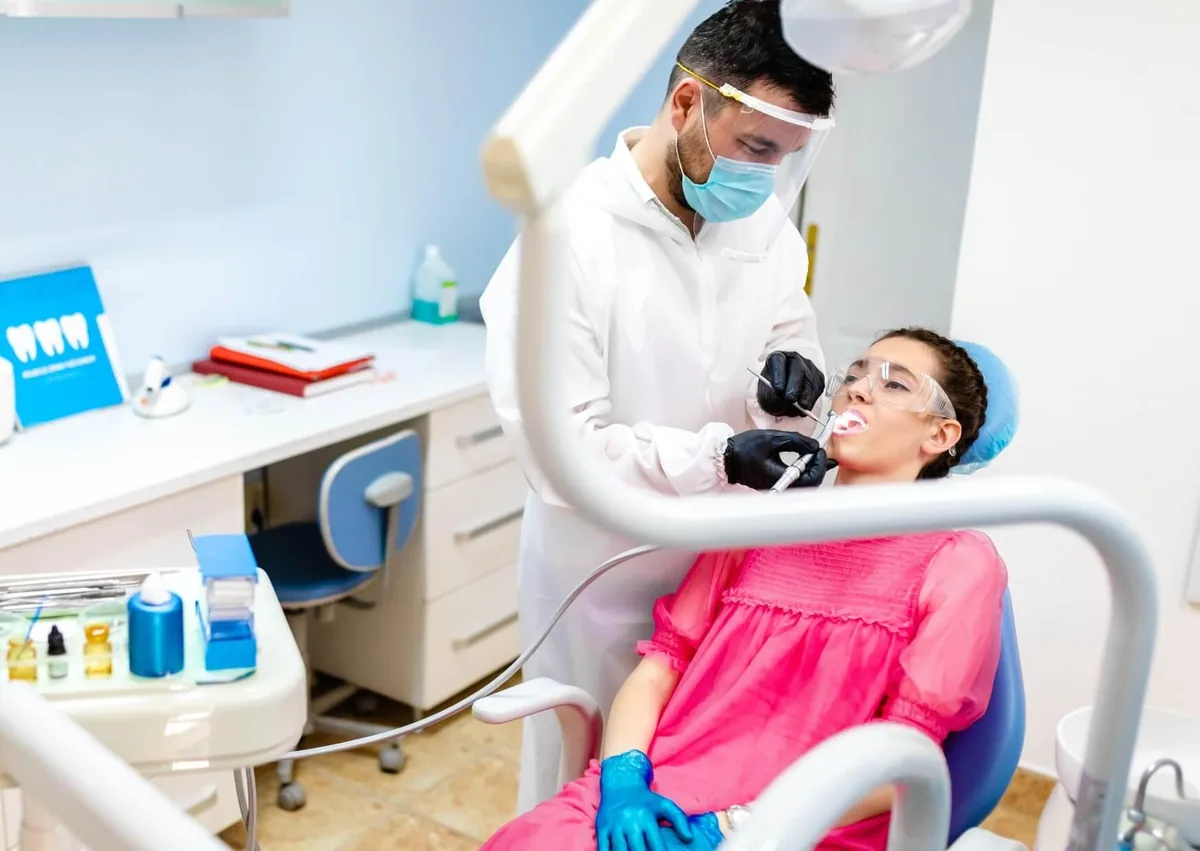
Schedule a dental visit if you have ongoing sensitivity, tooth pain, a chipped or broken tooth, or a visible hole or dark area. Once a true cavity forms, it does not heal on its own and often needs dental fillings to restore the tooth.
Seek prompt care if pain is getting worse or if you notice swelling, pus, or a bad taste coming from a painful tooth. Facial or neck swelling, trouble breathing, trouble swallowing, confusion, or swelling near the eye needs urgent medical evaluation because it may signal a spreading infection.
Preventing cavities is an ongoing process, not a one-time fix. Consistent fluoride use, good plaque removal, fewer sugar exposures, and risk-based dental visits offer the most reliable protection.
If you suspect a cavity or want a personalized prevention plan, a professional teeth cleaning and exam can address problems before they progress. Charlotte Dental Associates focuses on cleaning and prevention in Charlotte, NC and nearby University City and University Place; call (704) 548-8563 or schedule an appointment today.
Brushing with fluoride toothpaste may help stop or reverse very early mineral loss before a physical hole forms. Once a cavity has opened in the enamel, professional treatment is usually needed.
Mouthwash is not necessary for everyone, and it does not replace brushing or cleaning between teeth. A fluoride rinse may help some people at higher risk, but a dentist can tell you whether it is appropriate.
Fluoride toothpaste helps protect children's teeth when used correctly. The amount should match the child's age, and brushing should be supervised until the child can spit reliably.
A cavity can develop over months or years depending on diet, fluoride exposure, saliva flow, oral hygiene, tooth shape, and overall health. Regular exams help detect early changes that are hard to see at home; for more detail, read how long for a cavity to form.