
We moved down the street! See You at our new location: 8401 University Executive Park Dr., Suite 120, Charlotte, NC 28262. Call now to schedule an appointment
Plaque is a soft, sticky film of bacteria that you can usually remove at home with thorough brushing and daily cleaning between the teeth. If plaque hardens into tartar, also called calculus, it cannot be brushed off and usually requires professional dental instruments during dental cleanings.
If persistent plaque or hardened tartar make home care feel insufficient, professional dental cleanings can identify problematic buildup and assess whether deeper treatment is needed. Charlotte Dental Associates in Charlotte, NC provides gentle preventive care that removes deposits, protects gum health, and helps you maintain a comfortable mouth.
The most effective way to remove plaque from teeth at home is to brush twice a day with fluoride toothpaste and clean between the teeth once a day. Consistent daily care matters more than occasional aggressive brushing.
Plaque starts forming again soon after you clean your teeth. If it stays in place, the bacteria in plaque use sugars and starches from food and drinks to produce acids that can raise the risk of cavities and gum inflammation.
Brush for two minutes twice a day with a soft-bristled toothbrush or powered toothbrush. Angle the bristles about 45 degrees toward the gumline and use gentle, short strokes on the front, back, and chewing surfaces of every tooth.
Use fluoride toothpaste and spit out the excess after brushing. Avoid hard scrubbing, which does not remove plaque better and may irritate the gums or wear down tooth surfaces over time.
A powered toothbrush can be helpful if you have trouble brushing evenly or for a full two minutes. Features like a timer or pressure sensor may improve consistency.
A toothbrush cannot fully clean the tight spaces between teeth. Clean between the teeth once a day with floss, floss holders, interdental brushes, or a water flosser.
With string floss, slide it gently between two teeth and curve it into a C shape against one tooth. Move it up and down slightly under the gumline, then repeat on the neighboring tooth without snapping the floss into the gums.
Interdental brushes may work well around braces, bridges, gum recession, or wider spaces. A dentist or dental hygienist can help you choose a size that fits comfortably without force.
|
Cleaning Method |
Often Useful For |
Key Consideration |
|---|---|---|
|
String floss |
Tight contacts between teeth |
Use a gentle C shape around each tooth |
|
Interdental brush |
Open spaces, braces, or bridges |
Choose a size that fits without force |
|
Water flosser |
Braces, dental work, or limited dexterity |
Aim along the gumline and follow product directions |
|
Powered toothbrush |
Improving brushing consistency |
A pressure sensor or timer may help |
If you're concerned about decay between teeth, read signs of a cavity.
Plaque is soft and may make teeth feel fuzzy or coated. It can also contribute to red, swollen, tender, or bleeding gums, although early plaque buildup may not cause obvious symptoms.
If plaque is not removed, minerals in saliva can harden it into tartar. Tartar often looks yellow or brown and may feel rough, especially behind the lower front teeth or along the gumline.
Do not try to scrape tartar off at home. Using fingernails, sharp objects, or dental tools can injure the gums, scratch teeth or roots, damage dental work, and leave buildup below the gumline.
Fluoride toothpaste helps lower cavity risk while brushing physically breaks up plaque. Some toothpastes also carry the American Dental Association Seal of Acceptance for plaque or gingivitis control.
An antimicrobial mouthrinse may help reduce bacteria, but it does not replace brushing or cleaning between the teeth. Ask a dentist whether a rinse makes sense if you have dry mouth, mouth irritation, extensive dental work, or ongoing gum inflammation.
Plaque-disclosing tablets or solutions can highlight areas you are missing. Follow label directions carefully, since they may temporarily stain the tongue, lips, clothing, or some dental materials.
Plaque control is an everyday process, not a one-time fix. Replace your toothbrush or powered brush head about every three to four months, or sooner if the bristles look frayed.
Try to limit frequent sipping or snacking on sugary or starchy foods. Repeated exposure gives plaque bacteria more chances to make acid.
Drinking fluoridated water when available and cleaning your teeth before bed can also help. Professional dental cleanings still matter because even careful home care may miss some areas, and tartar cannot be removed with brushing alone.
The right cleaning schedule depends on your gum health, cavity risk, tobacco use, medical conditions, and how quickly tartar builds up. A dentist can recommend an interval based on your exam.
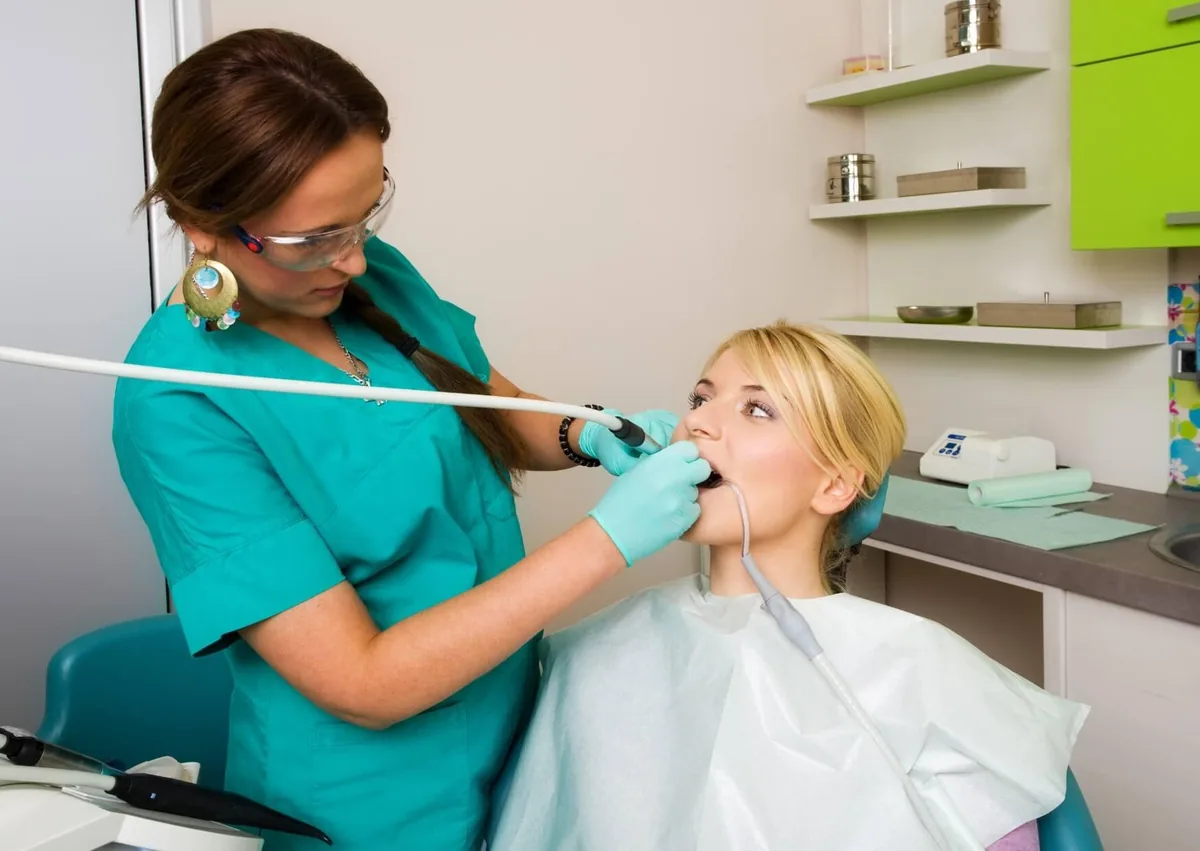
Schedule a dental exam if bleeding, swelling, tenderness, bad breath, or visible tartar does not improve with careful daily cleaning. A dentist can determine whether the problem is gingivitis, a cavity, periodontitis, a damaged restoration, or another condition.
Prompt care is especially important for receding gums (see causes of receding gums), loose or shifting teeth, pus near the gums, pain when biting, or symptoms that are getting worse. Seek urgent dental or medical care for major facial swelling, fever with dental pain, trouble swallowing, trouble breathing, uncontrolled bleeding, or rapidly spreading swelling.
A professional exam can identify buildup below the gumline and show whether you need a routine cleaning or more involved periodontal treatment such as tooth scaling. Treatment decisions should be based on an exam rather than home care alone.
If tartar is visible or gum symptoms persist despite careful home care, a professional cleaning or tooth scaling can stop disease progression and reduce bleeding or sensitivity. Charlotte Dental Associates offers dental cleanings and tooth scaling in Charlotte, NC and nearby University City and University Place; call (704) 548-8563 to make an appointment or book online.
Most soft plaque can be disrupted during one careful brushing and interdental-cleaning session. If an area still feels rough afterward, it may contain tartar or may simply be hard to reach.
Toothpaste that contains baking soda may help remove some surface plaque and stains when used as directed. Avoid homemade abrasive mixtures or vigorous scrubbing, which can irritate oral tissues and will not safely remove tartar.
No. Mouthrinse may reduce some bacteria, but brushing and cleaning between the teeth are still needed to physically break up plaque.
Bleeding often happens when plaque has already inflamed the gums. It can also happen if brushing or flossing is too forceful, so use a gentle technique and get dental care if bleeding is heavy, unexplained, worsening, or does not improve with consistent cleaning.