
You may have a cavity if a tooth becomes sensitive, painful, discolored, rough, or develops a visible hole. However, early cavities often cause no symptoms, so the most reliable way to know is to have a dental exam and, when appropriate, dental X-rays.
If you are worried about sensitivity, a dark spot, or possible early decay, dental cleanings and prevention can help determine whether the area needs treatment or simple monitoring. Charlotte Dental Associates in Charlotte, NC helps patients protect enamel, catch decay early, and often avoid more invasive care.
What a Cavity Is
A cavity is permanent tooth damage caused by decay. It starts when bacteria in plaque use sugars and starches from food and drinks to make acids that pull minerals out of enamel.
At first, this damage may appear as a chalky white spot. That early stage can sometimes be stopped or reversed with fluoride and better oral hygiene, but once a true hole forms, the tooth usually needs professional treatment.
Common Signs of a Cavity
Symptoms depend on where the decay is and how deep it has gone. Common signs include:
- Sensitivity to cold, heat, sweets, or acidic foods
- Toothache or pain when biting
- A visible hole, pit, or rough spot
- White, brown, or black discoloration
- Food repeatedly getting stuck in one area
- Floss tearing or catching between the same teeth
- Persistent bad breath or a bad taste in the mouth
A dark spot does not always mean a cavity. Sensitivity can also come from gum recession, enamel wear, a cracked tooth, or an older filling.
Why Cavities Can Be Hard to Detect
Some cavities are easy to miss at home. Decay can form between teeth, under the grooves of back teeth, near the gumline, or around an older filling or crown.
These areas may look normal in the mirror even when decay is present. That is why a dentist may use an exam, gentle instruments, and bitewing X-rays to check suspicious areas, especially if there may be a cavity between teeth.
What Treatment May Involve
Treatment depends on how far the decay has progressed. If the damage is still limited to early mineral loss, a dentist may recommend fluoride, better plaque removal, diet changes, and close monitoring.
If a hole has formed, the tooth often needs dental fillings. If decay reaches the pulp, where the tooth's nerves and blood vessels are located, more advanced treatment may be needed, including care related to root canal signs.
Waiting for pain is risky because cavities often do not hurt until they are deeper. Earlier treatment usually preserves more natural tooth structure and keeps care simpler.
What to Expect and How to Lower Your Risk
If you think you may have a cavity, expect your dentist to look closely at the tooth, ask about symptoms, and decide whether X-rays are needed. The goal is to confirm whether the problem is decay, another dental issue, or an area that only needs monitoring.
To lower your risk, brush twice a day with fluoride toothpaste and clean between your teeth daily. After brushing, spit out the excess toothpaste instead of rinsing right away so fluoride stays on the teeth longer.
Try to reduce how often you sip sugary drinks or snack on sweets and starches. Frequent exposure gives cavity-causing bacteria more chances to make acid.
Regular visits for dental cleanings and prevention help a dentist set the right exam and X-ray schedule for your needs. Some patients also benefit from fluoride treatments or sealants on the deep grooves of back teeth.
When to See a Dentist
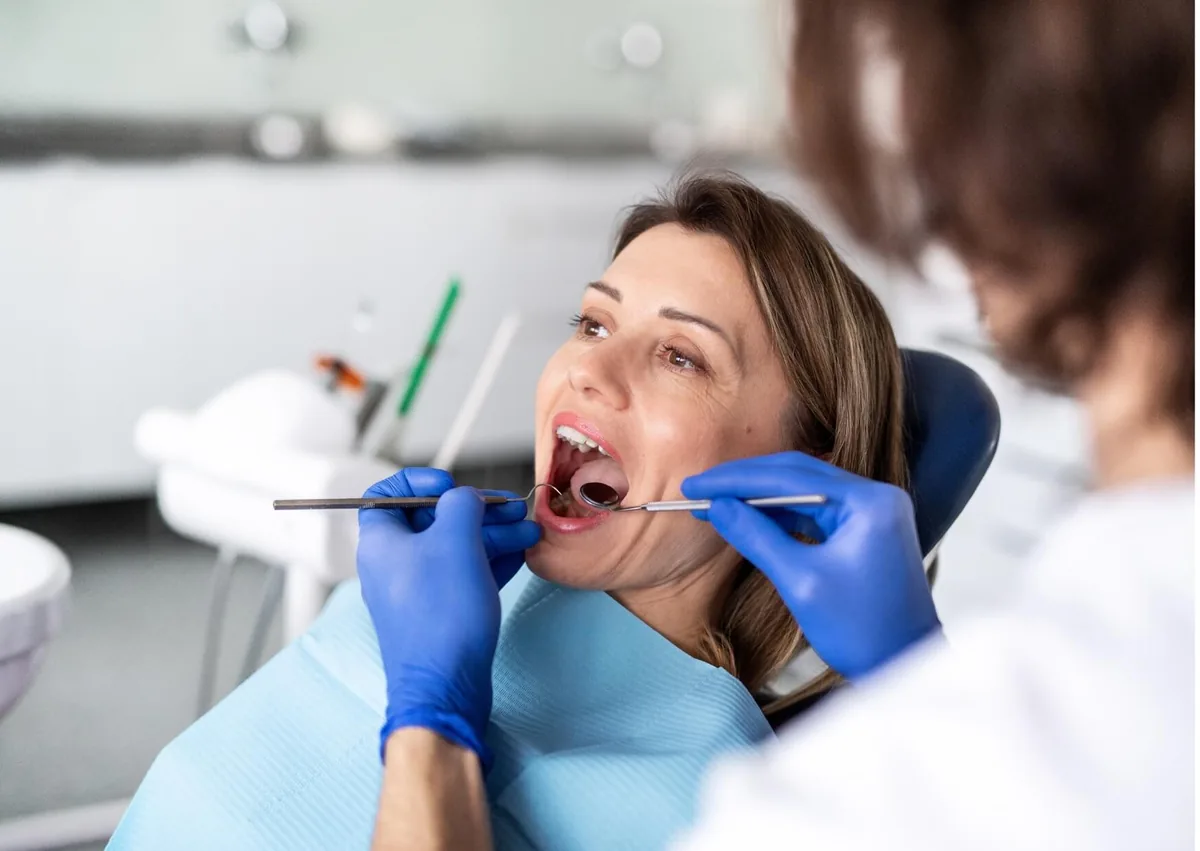
Schedule a dental evaluation if sensitivity lasts more than a few days, pain keeps returning, you notice a hole or color change, or food regularly catches around one tooth. You should also get checked if symptoms are new, worsening, or hard to explain.
Seek prompt care for severe or constant pain, swelling of the gums or face, pus, fever, or trouble opening your mouth. Difficulty breathing or swallowing, rapidly spreading swelling, or swelling near the eye needs emergency medical attention.
If you are dealing with possible infection, see dental abscess self-care for supportive guidance while arranging care. A dental exam is the safest way to tell whether you have a cavity and whether it needs treatment now or monitoring.
For persistent sensitivity or new discoloration, a timely preventive visit can determine whether treatment is needed and often keeps care simple. Call Charlotte Dental Associates for dental cleanings and prevention in Charlotte, NC and nearby Concord or Harrisburg, NC at (704) 548-8563 to schedule an appointment.
FAQs
Can you feel a cavity with your tongue?
A larger cavity may feel like a hole, rough patch, or sharp edge. Small cavities and decay between teeth usually cannot be identified by touch, and repeated probing can irritate the area; learn more about what a cavity feels like.
Can a cavity go away on its own?
Very early mineral loss may sometimes be stopped or reversed with fluoride and good plaque control. A true hole in the tooth does not heal on its own and usually needs professional treatment.
Does every cavity hurt?
No. Many cavities are painless until the decay reaches deeper layers of the tooth, which is why regular dental exams matter even when nothing hurts.
How quickly does a cavity develop?
It varies from person to person. Oral hygiene, diet, saliva flow, fluoride exposure, tooth shape, and past decay all affect how quickly cavities form.
Related Articles
- What Does A Cavity Feel Like
- How Long Does It Take For A Cavity To Form
- Signs Of A Cavity Between Teeth
- Signs You Need A Root Canal
- Dental Abscess Self Care
Most adults have 32 permanent teeth, including four wisdom teeth. However, many healthy adults have 28 teeth because wisdom teeth may never come in, never develop, or may be removed; children usually have 20 baby teeth.
If you're checking your tooth count, wondering about wisdom teeth, or concerned about a missing tooth, dental cleanings can help clarify what is present and what may still be developing.
At Charlotte Dental Associates in Charlotte, NC, that preventive visit also gives you a clear exam-based explanation of whether any teeth are impacted, absent, or need monitoring.
How Tooth Counts Change With Age
Children usually have 20 primary teeth, also called baby teeth. These teeth often begin appearing around 6 months of age, and most are in place by about age 3.
Permanent teeth usually start replacing baby teeth around age 6. By the early teen years, most people have 28 permanent teeth, and up to four wisdom teeth may appear later, often between ages 17 and 25.
A typical adult set includes eight incisors, four canines, eight premolars, and 12 molars. That molar total includes the four wisdom tooth teeth.
Why Tooth Counts Can Be Different
Having fewer than 32 teeth does not automatically mean something is wrong. A person may have fewer teeth because wisdom teeth never erupted, never formed, were removed during tooth extractions, or were lost because of decay, injury, or gum disease.
Some teeth are impacted, which means they are trapped partly or fully under the gums or bone. An impacted tooth still counts as a tooth, even if you cannot see it without dental imaging.
Less often, a person may develop extra teeth, called supernumerary teeth. These can crowd nearby teeth, affect eruption, or be found only on an X-ray.
If a tooth is missing or cannot be saved, replacement options may include dentures or bridges and crowns, depending on the situation. A dentist can explain which option fits your oral health, bite, and long-term needs.
How to Count Teeth Safely
If you want to count visible teeth, start at the back of one side of the upper jaw and count across to the other side. Then repeat the same process on the lower jaw.
Do not try to lift the gums or force a partly erupted tooth into view. A visual check can miss teeth that are impacted, still developing, or already removed below the gumline.
A dentist can confirm the full count by combining an exam, your dental history, and imaging when needed. Regular dental cleanings also help keep all teeth healthier through routine monitoring and prevention.
What to Expect and How to Protect Your Teeth
Tooth counts can vary, but the goal is the same: keep the teeth you have healthy and functional. Brushing twice a day with fluoride toothpaste, cleaning between teeth daily, and keeping regular dental visits are the basics of prevention.
Wisdom teeth often need extra attention because they sit far back in the mouth and can be harder to clean. If they partly erupt, food and bacteria can collect around them more easily.
Children and teens may also have mixed dentition for a while, meaning baby teeth and permanent teeth are present at the same time. That stage is normal, but delayed eruption or unusual spacing may still need a dentist's review.
When to See a Dentist

Schedule a dental evaluation if a tooth does not appear when expected, a new gap develops, or a tooth feels loose without a clear reason. Recurring wisdom tooth discomfort, swelling, or trouble chewing also deserves attention.
Seek urgent dental care if you have rapidly worsening facial or jaw swelling, fever with dental pain, uncontrolled bleeding, trouble swallowing, or trouble breathing. If you are simply unsure how many teeth you should have, a routine exam can give you an accurate answer and practical next steps.
If you're unsure whether you have 28, 32, or hidden impacted teeth, a preventive exam with dental cleanings is a practical next step for a clear count and care plan. Charlotte Dental Associates provides affordable family dentistry in Charlotte, NC and serves nearby Concord, NC and Harrisburg, NC; call (704) 548-8563 to schedule.
FAQs
Does everyone have 32 teeth?
No. Many adults have 28 visible teeth because their wisdom teeth never developed, never erupted, or were removed, and other factors can also change the total.
Are wisdom teeth included in the count of 32?
Yes. The standard count of 32 permanent teeth includes four wisdom teeth, also called third molars.
How many teeth do children have?
Children typically have 20 primary teeth. During the transition to adult teeth, they may have a mix of baby teeth and permanent teeth for several years.
Do dental implants count as teeth?
An implant-supported crown replaces the look and function of a missing tooth, but it is not a natural tooth. A dentist may record natural teeth, missing teeth, implants, dentures, and bridges and crowns separately. Learn more about getting dental implants or see what implants look like.
Related Articles
- What Does A Wisdom Tooth Coming In Look Like
- How Long Does It Take To Get Dental Implants
- What Do Dental Implants Look Like
- Dental Bridges
A normal socket after tooth extraction usually has a dark blood clot at first, then develops a white, yellow, or cream-colored healing layer as the area repairs itself. Mild pain, swelling, tenderness, and light bleeding are common early on, but they should gradually improve instead of getting worse.
If your extraction site looks unusual or healing seems slower than expected, learning more about tooth extractions can help you understand whether the socket is following a normal recovery pattern.
Charlotte Dental Associates in Charlotte, NC provides clear guidance on healing signs, warning symptoms, and practical steps that help protect the area as it closes.
What a Healing Extraction Socket Looks Like
During the first 24 hours, the socket often looks dark red or brown because a blood clot has formed. This clot protects the bone and nerves underneath and supports early healing.
Do not touch, probe, or scrape the area with a finger, toothbrush, or other object. Disturbing the clot can delay healing and increase the risk of complications.
Over the next several days, the socket may look white, yellow, or cream-colored. This is often normal healing tissue called granulation tissue, not pus or trapped food, especially when pain and swelling are improving.
As healing continues, the gum edges slowly move inward and the opening becomes smaller. A shallow hole may remain for several weeks, and deeper sockets, especially after molar or wisdom tooth removal, can take longer to fill in.
Expected Symptoms During Healing
Light oozing or blood-tinged saliva is common during the first day. Mild to moderate discomfort and swelling are also expected and often peak within the first two to three days.
After that, symptoms should start to ease. Some jaw stiffness, mild bruising, and sensitivity in nearby teeth can also happen, especially after a more difficult extraction.
A small amount of food may collect near the socket during healing. Follow your dentist’s cleaning instructions instead of trying to dig it out, since that can irritate the area.
Normal Healing Versus a Possible Problem
A socket’s appearance alone does not always show whether it is healing well. The symptom pattern over time matters most.
If pain and swelling steadily improve, healing is usually on track. If symptoms become stronger after the first few days, a complication is more likely.
Dry socket happens when the protective clot is lost or breaks down too soon. It often causes strong, throbbing pain that starts or worsens a few days after the extraction and may spread to the ear, temple, or jaw.
A bad taste or unpleasant odor can also happen with dry sockets. The socket may look empty, but the pain pattern is usually the clearest sign.
An infection may cause increasing swelling, worsening pain, pus-like drainage, fever, or a persistent bad taste. For visual cues and signs, see infected tooth. For self-care if you suspect an abscess, see dental abscess self-care.
A white surface by itself does not mean infection. In the same way, a socket that looks open does not automatically mean dry socket without the typical pain pattern and a dental exam.
How to Protect the Socket
Follow the aftercare instructions from your dentist, since recommendations can vary based on the tooth removed and the procedure performed. During early healing, avoid vigorous rinsing, forceful spitting, drinking through straws, and touching the socket.
These actions can create pressure or suction that disrupts the clot. Your dentist will tailor guidance to the type of tooth extractions performed and your overall health.
Smoking and vaping can reduce blood flow and raise the risk of delayed healing and dry socket. Choose soft foods at first, chew on the opposite side when possible, and avoid hard, sharp, or crumbly foods that may irritate the site.
Keep your mouth clean, but brush gently around the socket. Use any prescribed or recommended rinse only as directed, and do not place peroxide, alcohol, aspirin, essential oils, or other home remedies directly into the wound.
When to Contact a Dentist

Contact the treating dentist promptly if pain becomes severe, returns after improving, or keeps getting worse after the first few days. If you are dealing with intense discomfort, read about extreme tooth pain for added guidance.
Also seek dental care for increasing facial swelling, ongoing bleeding, pus-like drainage, fever, worsening bad taste or odor, or trouble opening your mouth. If something about the recovery seems unclear or concerning, it is reasonable to have it checked.
Seek urgent medical care for trouble breathing or swallowing, rapidly spreading swelling, swelling near the eye or neck, confusion, fainting, or heavy bleeding that does not stop after following pressure instructions. These symptoms may need immediate evaluation.
Know When Extraction Healing Needs a Closer Look
A dentist can tell whether the socket is showing normal healing, dry socket, infection, retained debris, or another issue. If recovery is getting worse instead of better, timely evaluation matters.
If extraction leaves one or more missing teeth, ask about replacement options such as bridges and crowns or dentures. Your dentist can explain the timing and next steps based on healing.
If pain is worsening or you suspect a complication, contacting a dentist for evaluation can confirm whether treatment or additional care is needed. Charlotte Dental Associates offers tooth extractions in Charlotte, NC and nearby Concord, NC and Harrisburg, NC; call (704) 548-8563 or book an appointment for a timely assessment.
FAQs
Is a white extraction socket normal?
Yes. A white or cream-colored layer is often normal healing tissue or fibrin, which helps with clotting and repair.
If it appears along with worsening pain, swelling, fever, or drainage, contact a dentist.
Should I see a hole after tooth extraction?
Yes, a visible opening is common after a tooth is removed. The gum does not close right away, and the hole gradually becomes smaller as tissue and bone fill the area.
This can take weeks to months depending on the size of the socket.
What color should the blood clot be?
A fresh blood clot is usually dark red or brown. It may become less visible as healing tissue covers the area.
Color matters less than whether bleeding is controlled and symptoms are steadily improving.
Can a normal socket have a bad taste?
A mild unusual taste can happen from small amounts of blood or trapped food. A persistent foul taste or odor, especially with increasing pain, swelling, fever, or drainage, should be evaluated by a dentist.
How do I know if the clot came out?
It can be hard to tell just by looking, and the clot may be covered by healing tissue. Severe throbbing pain that starts or gets worse a few days after extraction is more concerning for dry sockets and should be checked by a dentist.
Related Articles
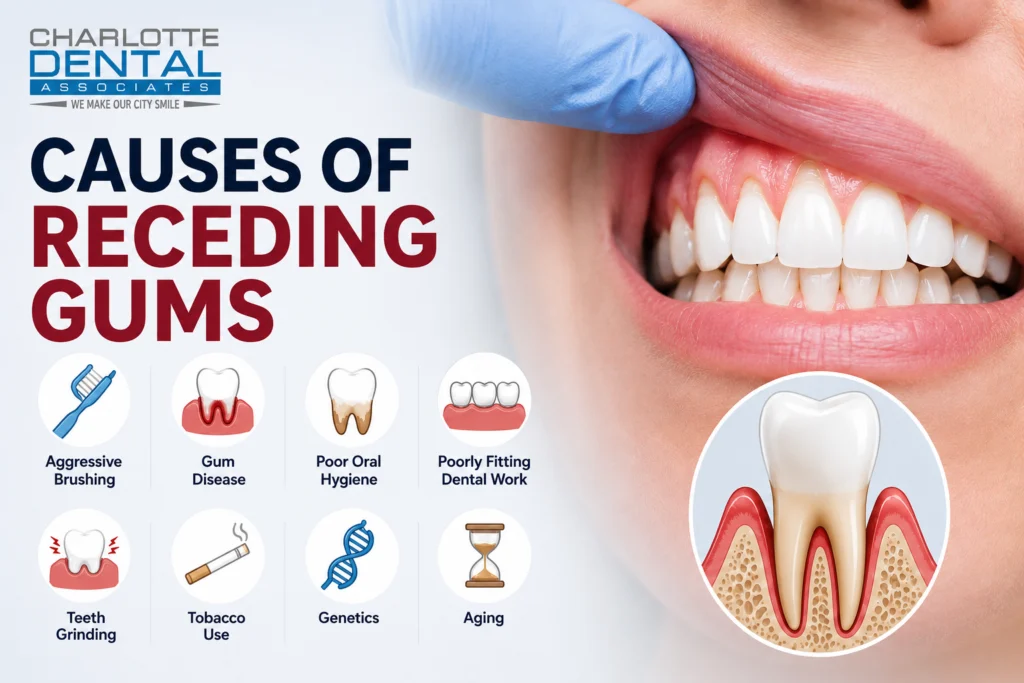
Receding gums commonly develop from repeated pressure, gum inflammation, tissue changes, or oral health conditions that gradually expose more tooth structure. Gum recession may occur slowly and may become more noticeable when teeth appear longer, sensitivity develops, or gum lines change. At Charlotte Dental Associates, patients with gum concerns frequently begin with Tooth Scaling because early evaluation and deep cleaning approaches may help identify conditions affecting gum health. Based on the practice's family-focused and preventive approach, identifying underlying causes often supports more personalized care planning.
Quick Fact Block
What it is:
Loss of gum tissue around teeth that exposes additional tooth structure or root surfaces.
Who it is for:
Adults with gum inflammation, aggressive brushing habits, grinding behaviors, periodontal concerns, or age-related tissue changes.
Main benefits of identifying causes early:
- Helps reduce ongoing tissue stress
- Helps guide preventive treatment planning
- Helps identify contributing habits
- Helps support long-term gum stability
Limitations:
- Tissue loss severity varies by condition
- Multiple causes may occur together
- Existing recession may not reverse naturally
- Treatment pathways depend on findings
Timeline / durability:
Gum recession commonly develops gradually over months or years depending on inflammation levels, habits, and oral conditions.
What Causes Receding Gums?
Receding gums commonly develop because repeated stress or inflammation gradually affects gum attachment around teeth.
Several conditions may contribute to tissue changes instead of one isolated cause.
Cause → effect → solution commonly follows:
Plaque buildup → gum inflammation → tissue irritation → periodontal evaluation
Examples include:
- Plaque accumulation → inflammation → gum swelling
- Teeth grinding → repetitive pressure → tissue stress
- Aggressive brushing → mechanical wear → gum reduction
- Misaligned teeth → uneven force → localized recession
If several contributing factors occur together, then treatment recommendations may depend on gum condition and oral findings.
The National Institute of Dental and Craniofacial Research oral health resources explains that gum conditions may gradually affect supporting tissues and oral health over time.
Can Gum Disease Cause Receding Gums?
Gum disease commonly contributes to receding gums because inflammation may weaken supporting tissues surrounding teeth.
Bacterial buildup and prolonged inflammation may affect attachment levels over time.
Common gum disease contributors include:
- Plaque accumulation
- Tartar buildup
- Delayed cleanings
- Chronic inflammation
- Periodontal infections
Examples include:
- Plaque retention → tissue irritation → attachment changes
- Tartar accumulation → inflammation → gum response
- Delayed treatment → progressive irritation → tissue reduction
Cause → effect → treatment pathway commonly follows:
Bacteria accumulation → inflammation → tissue breakdown → periodontal care discussion
Patients experiencing signs of inflammation sometimes review Affordable Dental Cleanings and Prevention because preventive care may help support long-term gum health.
Can Brushing Too Hard Cause Gum Recession?
Aggressive brushing commonly contributes to gum recession because repeated friction may place stress on soft tissue margins.
Brushing force and toothbrush type may influence gum tissue response.
Common brushing-related factors include:
- Hard-bristle toothbrushes
- Excess brushing pressure
- Horizontal scrubbing motions
- Frequent abrasive products
Examples include:
- Hard bristles → repeated friction → tissue wear
- Excess force → gum margin stress → recession changes
- Abrasive toothpaste → surface irritation → soft tissue effects
Cause → effect → solution commonly follows:
Repeated friction → tissue irritation → gum reduction → brushing modification discussion
If brushing habits repeatedly stress gum tissue, then technique adjustments may become helpful.
Can Teeth Grinding Affect Gum Position?
Teeth grinding may contribute to receding gums because repeated force can increase stress around supporting structures.
Pressure patterns and clenching behaviors sometimes affect surrounding tissues.
Common grinding-related factors include:
- Night grinding
- Daytime clenching
- Uneven bite pressure
- Stress-related habits
Examples include:
- Night grinding → repetitive pressure → gum strain
- Heavy clenching → concentrated force → tissue stress
- Bite imbalance → uneven loading → localized recession
Cause → effect → solution commonly follows:
Grinding activity → force concentration → tissue stress → bite assessment discussion
Patients with bite-related symptoms sometimes review Dental Bridges and Crowns because bite relationships and restoration conditions may influence chewing forces.
Can Genetics Affect Receding Gums?
Genetics may influence receding gums because inherited tissue characteristics can affect gum thickness, inflammation response, and long-term tissue stability.
Some individuals naturally have thinner gum tissue or anatomical traits that may make recession more noticeable over time. Genetic factors do not automatically cause recession, but inherited characteristics may influence how gums respond to irritation and pressure.
Common inherited factors include:
- Thin gum tissue types
- Family history of gum disease
- Tooth position variations
- Natural jaw structure differences
- Tissue response patterns
Examples include:
- Thin gum tissue → lower tissue resistance → visible recession
- Family periodontal history → inflammation susceptibility → increased monitoring
- Crowded tooth positioning → cleaning difficulty → plaque retention
- Narrow jaw structure → pressure concentration → localized tissue changes
Cause → effect → solution commonly follows:
Inherited tissue traits → increased vulnerability → tissue stress response → preventive evaluation discussion
If family history includes gum disease or recession patterns, then preventive examinations and monitoring may help identify changes earlier. Patients with hereditary risk factors sometimes benefit from routine periodontal evaluations because tissue thickness and inflammation patterns may affect long-term gum health.
Can Tooth Position Affect Receding Gums?
Tooth alignment may influence gum recession because uneven positioning sometimes changes pressure distribution across tissues.
Crowded teeth and bite irregularities may create localized stress.
Common alignment-related factors include:
- Crowded teeth
- Rotated teeth
- Deep bite relationships
- Uneven pressure patterns
Examples include:
- Crowded teeth → cleaning difficulty → plaque accumulation
- Misaligned teeth → pressure concentration → tissue changes
- Deep bite patterns → repetitive contact → gum stress
Cause → effect → solution commonly follows:
Alignment changes → uneven force patterns → tissue stress → treatment discussion
If tooth position changes affect cleaning access or bite force, then recommendations may vary according to examination findings.
Dental Causes vs Lifestyle Causes of Gum Recession
Receding gums commonly involve both oral conditions and daily habits.
| Factor | Dental Causes | Lifestyle Causes |
| Inflammation | Higher | Lower |
| Mechanical pressure | Moderate | Higher |
| Plaque involvement | Higher | Variable |
| Habit influence | Moderate | Higher |
| Prevention focus | Treatment-based | Behavior-based |
Examples include:
- Gum disease → tissue inflammation → structural changes
- Tobacco use → healing changes → tissue response
- Grinding habits → force concentration → recession risk
Patients requiring deeper cleaning approaches sometimes explore Tooth Scaling because treatment selection may depend on inflammation findings.
What Signs May Appear With Receding Gums?
Receding gums commonly produce visible and sensitivity-related changes before severe symptoms develop.
Common signs include:
- Teeth appearing longer
- Cold sensitivity
- Visible root exposure
- Gumline changes
- Increased food trapping
Examples include:
- Root exposure → temperature sensitivity → evaluation discussion
- Gumline changes → visible appearance differences → assessment
- Tissue reduction → cleaning difficulty → oral hygiene adjustments
The American Dental Association information on gum health notes that gum changes and inflammation may affect surrounding tissues over time.
FAQ
Do receding gums grow back naturally?
Receding gums do not commonly regrow naturally because tissue loss often depends on underlying causes and severity.
Can stress cause receding gums?
Stress itself may not directly cause recession, but stress-related grinding and clenching behaviors may increase pressure on supporting tissues.
Can smoking contribute to gum recession?
Smoking may affect circulation and tissue response, which can influence long-term gum health.
Are receding gums painful?
Receding gums sometimes create sensitivity, although symptoms vary according to root exposure and inflammation levels.
Can gum recession affect tooth stability?
Advanced tissue loss may affect supporting structures depending on severity and oral findings.
What to Do Next
Gum recession commonly develops from inflammation, pressure habits, oral hygiene patterns, and structural changes affecting supporting tissues. Multiple contributing factors may occur together because gum health often depends on both tissue condition and daily habits.
If you are noticing sensitivity, visible gumline changes, or teeth appearing longer, an evaluation may help identify factors affecting tissue health. If this applies to your situation, recommendations often depend on inflammation levels, oral findings, and long-term priorities.
Charlotte Dental Associates can help evaluate gum concerns and discuss findings based on examination results and preventive goals. Request a consultation to evaluate your condition and better understand treatment options that may help support long-term gum health and tissue stability.

Whitening strips are everywhere these days. You see them on TV, on store shelves, and even in your best friend's bathroom cabinet. But do teeth whitening strips work as advertised?
Before you dive into that pack of strips, let’s explore what these strips really do, how effective they are, and if they’re the best option for you. And if you’re looking for personalized whitening solutions and expert preventitive care, Charlotte Dental Associates is here to help you achieve a radiant smile.
Understanding Whitening Strips
What Are Whitening Strips?
Whitening strips are essentially thin, flexible pieces of plastic coated with a whitening gel. This gel usually contains hydrogen peroxide or carbamide peroxide, the same ingredients used in professional whitening treatments, but in much smaller doses.
You apply the strips directly to your teeth, and they work by holding the whitening gel against the enamel to remove surface stains.
How Do Whitening Strips Work?
The science behind whitening strips isn’t as complicated as it might sound.
The active ingredient, typically hydrogen peroxide, penetrates the enamel and breaks down the molecules causing stains. By consistently applying these strips over a period of days or weeks, you can gradually lighten the color of your teeth.
Most whitening strips need to be used once or twice a day for about 30 minutes. You peel off the backing, press the strip onto your teeth, and wait for the magic to happen. But does it really?
The Science Behind Teeth Whitening
So, what’s happening at a microscopic level when you whiten your teeth? Whitening agents like hydrogen peroxide penetrate the enamel, which is the hard, outer layer of your teeth.
Once inside, these agents release oxygen molecules that interact with the stain molecules trapped within your teeth. This interaction breaks down the larger, pigmented stain molecules into smaller, less pigmented fragments.
This process, known as oxidation, essentially dilutes the color of the stains. As a result, your teeth reflect more light, making them appear whiter. This chemical reaction is similar to how bleach works on fabrics, but on a much smaller and more controlled scale, allowing for a brighter, more vibrant smile.
The Effectiveness of Whitening Strips
How Much Whiter Can You Expect Your Teeth to Get?
One of the most common questions people ask is, "How white can my teeth get with these strips?" The answer isn't always black and white—pun intended. On average, most users see an improvement of one to two shades lighter.
However, the degree of whitening you achieve depends on several factors, including the starting color of your teeth, the type of stains you're dealing with, and how consistently you use the strips.
If your teeth are naturally darker due to genetics, you might not see as dramatic a result as someone with lighter teeth. Similarly, if your teeth are stained from years of drinking coffee or smoking, it might take more time to see a noticeable difference.
Comparing Whitening Strips to Professional Treatments
While whitening strips can certainly help brighten your smile, they're not going to deliver the same results as professional treatments.
Professional whitening, like the services offered at Charlotte Dental Associates, uses stronger whitening agents that penetrate deeper into the tooth enamel, leading to more dramatic and longer-lasting results.
Using whitening strips works to an extent, but there’s only so much you can do on your own. On the other hand, professional whitening is like hiring a team of experts with industrial-grade equipment—they’ll get the job done thoroughly and efficiently.
Side Effects of Whitening Strips
But it’s not all sunshine and rainbows. One of the most common complaints about whitening strips is increased tooth sensitivity.
This happens because the whitening agent can sometimes irritate the nerve inside your teeth. You might also experience some gum irritation if the strips are misapplied or left on too long.
Managing and Minimizing Side Effects
To minimize these side effects, try using the strips every other day instead of daily, and make sure they’re only in contact with your teeth, not your gums.
If the sensitivity becomes too much to handle, it’s best to take a break or consult with your dentist. They can provide you with alternative whitening options or suggest a more tailored approach.
Teeth Whitening Alternatives
Natural Whitening Methods
- Baking Soda: A mild abrasive that can help scrub away surface stains; often mixed with toothpaste for gentle whitening.
- Activated Charcoal: Used to absorb toxins and stains from the teeth; this black powder can be applied as a paste but may be messy.
- Hydrogen Peroxide: A natural bleaching agent that can be diluted with water and used as a mouth rinse to help whiten teeth over time.
- Oil Pulling: A practice using oils like coconut or sesame to remove toxins and bacteria from the mouth, which may reduce staining over time.
Over-the-Counter Whitening Products
- Whitening Toothpaste: These products offer gradual whitening by removing surface stains and are easy to use daily.
- Whitening Mouthwash: These options provide a subtle whitening effect while freshening breath, making them ideal for maintaining results.
- Whitening Pens: Whitening pens allow you to apply whitening gel directly to your teeth for touch-ups on the go.
Professional Whitening Options

If you’re looking for a faster and more noticeable result, professional whitening is the way to go. Whether it’s an in-office treatment that gives you instant results or a take-home kit designed just for you, professional options are tailored to deliver the best possible outcome.
At Charlotte Dental Associates, we offer customized whitening solutions that cater to your specific needs.
How to Prevent Teeth Stains
Daily Habits for Stain Prevention
You’ve got your teeth looking bright and white—now, how do you keep them that way? Start with your daily habits.
Avoid stain-causing foods and drinks like coffee, red wine, and berries. If you can’t give them up, try rinsing your mouth with water afterward to wash away the staining agents before they settle in.
Regular Dental Care
Routine dental care and prevention plays a huge role in maintaining a white smile. Regular cleanings at Charlotte Dental Associates can help remove plaque and surface stains that build up over time.
Plus, fluoride treatments can strengthen your enamel, making it less prone to staining in the first place.
Illuminate Your Smile with Expert Care from Charlotte Dental Associates
When it comes to your smile, why settle for less? At Charlotte Dental Associates, we provide personalized solutions that cater to your unique needs. From professional-grade whitening to advanced dental treatments, we’ve got options that work—and work well.
Our team also provides a wide range of dental services tailored to help you maintain not just a white smile, but a healthy one too. Located in Charlotte, NC, and serving the surrounding areas, we’re here to help you achieve the smile of your dreams.
Conclusion: Brighten Your Smile with the Best Solutions
So, do teeth whitening strips work? Yes, they do—just not as powerfully or as permanently as professional treatments. They’re a convenient and cost-effective option for mild to moderate whitening, but if you’re after a more dramatic transformation, professional care is the way to go.
Remember, the best path to a radiant smile is one that’s customized to your needs. Ready to brighten your smile? Schedule your consultation with Charlotte Dental Associates today and discover the best whitening solution for you.