
We moved down the street! See You at our new location: 8401 University Executive Park Dr., Suite 120, Charlotte, NC 28262. Call now to schedule an appointment
Yes, dental implants can be removed when needed. Removal is not common, but it may be recommended if an implant is loose, painful, infected, poorly positioned, or not integrating well with the bone.
In many cases, the goal is to save the implant if possible. If the implant is failing or causing ongoing problems, removal may be the safer option before the area is rebuilt and treated again.
Charlotte Dental Associates offers dental cleanings and preventive care in Charlotte, NC and can provide the kind of assessment and maintenance you may be looking for.
A dental implant is a titanium or ceramic post placed in the jawbone to support a crown, bridge, or denture. If you want a simple visual reference, see what implants look like.
Over time, the implant should bond to the bone through a process called osseointegration. That means the bone grows tightly around the implant and helps keep it stable.
If that bond never forms well, or if it breaks down later, the implant may become unstable. A loose implant is not normal and should be checked promptly.
Common reasons for removal include:
Sometimes the problem is not the implant itself. The issue may involve the bridges & crowns restoration, the abutment, or the surrounding gum tissue.
Symptoms can vary depending on the cause. Some people notice a gradual change, while others develop pain or swelling more suddenly.
Possible warning signs include:
These symptoms do not always mean the implant must be removed. They do mean the area should be evaluated, especially if symptoms are new, persistent, or getting worse.
Seek prompt dental care if you have facial swelling, fever, drainage, severe pain, sudden loosening, or trouble opening your mouth. If swelling affects breathing or swallowing, seek emergency medical care right away.
A dentist or oral surgeon will usually examine the gums, test the implant for mobility, and take imaging such as dental X-rays or a 3D scan. The main questions are whether the implant is stable, whether bone has been lost, and whether the problem can be corrected without removal.
If the issue is limited to the crown or abutment, the implant body may be left in place. If the implant itself is failing, infected, fractured, or badly positioned, removal is often the more predictable choice.
The decision is based on long-term function and tissue health, not just short-term discomfort. Keeping a compromised implant too long can make future treatment more difficult.
Implant removal is usually a minor oral surgery procedure, but the details vary. Some implants can be unscrewed with specialized instruments if bone support is already reduced.
Others require careful removal of a small amount of surrounding bone. The goal is to remove the implant while preserving as much healthy bone and gum tissue as possible.
The area is numbed first, and sedation may be discussed depending on the case and patient preference. After removal, the site may be cleaned thoroughly, and bone grafting may be recommended if the area needs to be rebuilt.
Most patients feel pressure more than sharp pain during the procedure because local anesthetic is used. Some soreness afterward is common for a few days.
Recovery depends on how much inflammation, infection, or bone work is involved. Your dentist or surgeon will explain what to expect in your case.
Sometimes yes, but not always. Immediate replacement may be possible when infection is controlled and the bone is healthy enough.
Many cases need healing time first. The timing depends on bone quality, gum condition, the reason for failure, and the overall treatment plan.
If you want to understand the broader timeline, read more about getting dental implants.
After the implant is removed, mild bleeding, swelling, and tenderness can happen. Most people return to normal daily activity fairly quickly, but chewing in that area may need to be limited for a period of time.
Follow-up visits matter. The dentist will check healing and decide whether the site is ready for a replacement implant, a bridge, removable dentures, or another option.
If bone loss was significant, rebuilding the site may take time. Careful staging often improves the chances of a better long-term result.
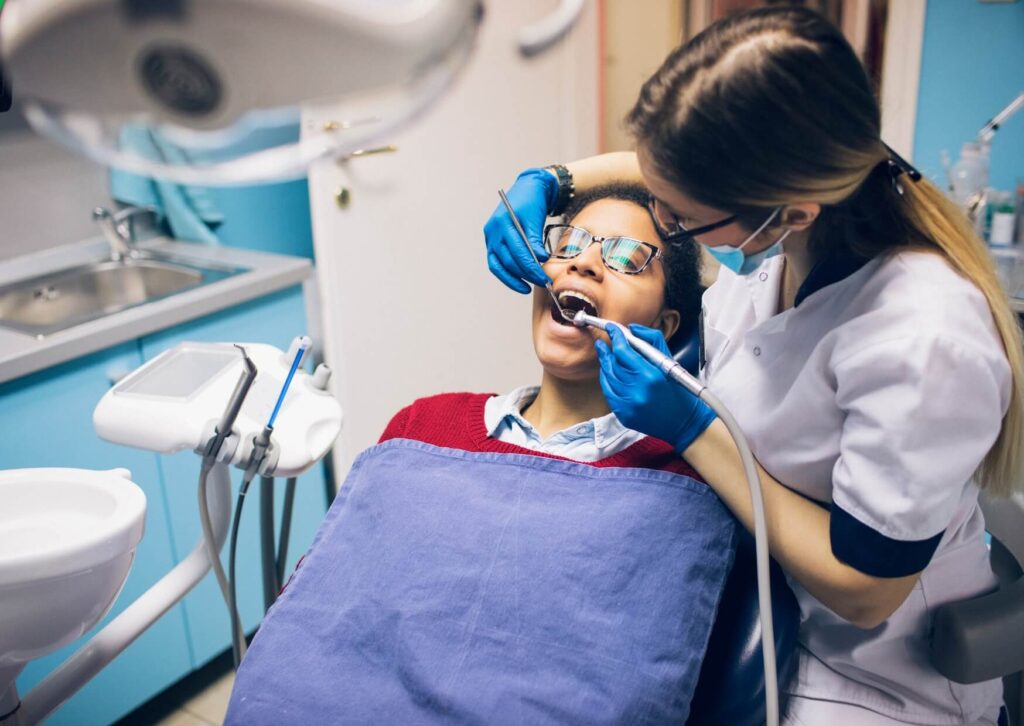
No. Some early or limited problems may be treated, especially when the implant is still stable and bone loss is minimal.
For example, inflammation in the surrounding gum tissue may improve with professional treatment and better plaque control. Mechanical issues with the crown or abutment can also sometimes be corrected without removing the implant.
But once there is advanced bone loss around the implant, a fracture, true mobility, or a major position problem, saving it may not be realistic. In those situations, removal can help protect the surrounding bone and support future treatment.
The best prevention starts before the implant is placed. Careful planning, healthy gums, enough bone support, and control of habits like smoking all improve success rates.
Long-term maintenance is just as important. Helpful steps include:
Implants can last many years, but they are not maintenance free. For more on expected lifespan, see implant longevity.
Small issues are usually easier to manage before bone loss develops.
Call for an evaluation if an implant feels loose, painful, swollen, or different when chewing. It is also worth booking a visit if the gumline is receding, the area bleeds repeatedly, or the restoration no longer fits correctly.
Even if the implant was placed years ago, new symptoms still deserve attention. Early assessment may create more treatment options.
If you are worried that an implant is failing, the next best step is a focused exam with imaging rather than waiting to see if it settles on its own. A dentist or oral surgeon can explain whether the implant can be monitored, repaired, or whether removal is the safer plan.
Charlotte Dental Associates in Charlotte, NC provides dental cleanings and preventive care and also serves patients from Concord and Matthews; call (704) 548-8563 to schedule an exam.
Yes, in many cases it can. Replacement may happen at the same visit or after a healing period, depending on infection, bone support, and implant position.
It can be simple or more involved depending on how firmly the implant is attached to the bone. A well-integrated implant is usually harder to remove than a loose one.
Initial healing often takes days to a few weeks, but full healing of bone and gum tissue may take longer. If grafting is needed, the timeline can extend further.
Sometimes, but not always. If the implant is stable and bone loss is limited, treatment may be possible without removal, but advanced infection often changes that decision.
General dentists with implant training may remove some implants, but many cases are handled by an oral surgeon or periodontist, which is a gum specialist. For more on providers, see who does implants.