
A routine dental cleaning removes plaque, tartar, and some surface stains that brushing and flossing cannot fully remove at home. Most people are advised to have dental cleanings about every six months, but the right timing depends on your gum health, cavity risk, medical history, and home care habits.
If you're unsure whether your teeth need professional care beyond daily brushing and flossing, a routine dental cleaning can clarify oral health and help prevent more extensive problems. Charlotte Dental Associates in Charlotte, NC provides calm, patient-centered preventive care to support long-term oral health between visits.
What a Routine Dental Cleaning Includes
A routine dental cleaning, also called prophylaxis, is preventive care for patients who do not have active advanced gum disease. A dental hygienist or dentist removes plaque and tartar from the teeth and along the gumline using hand instruments, ultrasonic tools, or both.
The teeth are often polished to remove some surface stains and leave them feeling smooth. Flossing may follow, and fluoride may be recommended based on age and cavity risk.
The visit may also include an exam, gum measurements, and X-rays when clinically appropriate. These steps can help identify signs of a cavity, gum inflammation, worn dental work, and other problems that may not be painful yet.
Why a Routine Dental Cleaning Matters
Plaque is a sticky film of bacteria that forms on teeth every day. If it is not removed, it can harden into tartar, also called calculus, which cannot be removed at home with brushing or flossing.
Plaque and tartar can irritate the gums and lead to gingivitis. Common signs include redness, swelling, tenderness, or bleeding when brushing or flossing, although early gum disease may cause no obvious symptoms.
A routine dental cleaning helps control these deposits, but it does not replace daily home care. Regular visits also give your dental team a chance to monitor changes and catch problems earlier.
How Often to Schedule a Routine Dental Cleaning
A six-month schedule is common, but it is not right for everyone. Some people can safely go longer, while others need more frequent care.
A dentist may recommend shorter intervals if you have a history of gum disease, frequent cavities, dry mouth, tobacco use, braces or other orthodontic appliances, certain medical conditions, or trouble cleaning effectively at home. The timing should be based on an individual risk assessment, not a one-size-fits-all rule.
Children also need cleanings on a schedule recommended by their dentist. Their needs can change as permanent teeth come in and cavity risk changes over time.
Routine Dental Cleaning vs. Deep Cleaning
A routine dental cleaning and a deep cleaning are not the same treatment. Deep cleaning, often called tooth scaling or scaling and root planing, may be recommended when gum disease has created deeper pockets or when tartar extends below the gumline.
|
Type Of Care |
Usual Purpose |
Typical Area Treated |
|---|---|---|
|
Routine cleaning |
Preventive removal of plaque, tartar, and surface stain |
Teeth and near the gumline |
|
Scaling and root planing |
Treatment for periodontal disease |
Below the gumline and along tooth roots |
|
Periodontal maintenance |
Ongoing care after gum disease treatment |
Above and below the gumline as needed |
A routine dental cleaning is not enough to treat active periodontitis, which is a more advanced form of gum disease that can damage the tissues and bone supporting the teeth. An exam and gum measurements help determine which type of care is appropriate.
What to Expect During and After a Routine Dental Cleaning
Most routine dental cleaning visits take less than an hour. The exact time depends on how much tartar or staining is present, whether your teeth are sensitive, and whether you also need an exam or X-rays.
During the cleaning, you may hear scraping sounds and feel water, vibration, or pressure. Mild discomfort is possible if your gums are inflamed or your teeth are sensitive, so let the dental team know if you need a break or have a tender area.
Afterward, mild gum tenderness or brief sensitivity can happen, especially if there was heavier buildup. Severe pain, facial swelling, fever, persistent bleeding, or worsening symptoms are not typical and should prompt a call to a dentist.
How to Prepare for a Routine Dental Cleaning
Brush and floss as usual before your visit, but do not scrub aggressively to make up for missed care. Bring an updated medication list and share any allergies, pregnancy, recent surgery, artificial joints, heart conditions, or other health changes.
Do not start antibiotics before a cleaning unless a qualified clinician who knows your medical history tells you to do so. Only a limited group of patients needs antibiotic prophylaxis before dental procedures, and the decision should be individualized.
If dental anxiety, a strong gag reflex, or tooth sensitivity has made visits difficult, mention that when scheduling. If this is your first visit, you can also review what to expect at your first dental appointment.
How to Keep Teeth Clean Between Routine Dental Cleanings
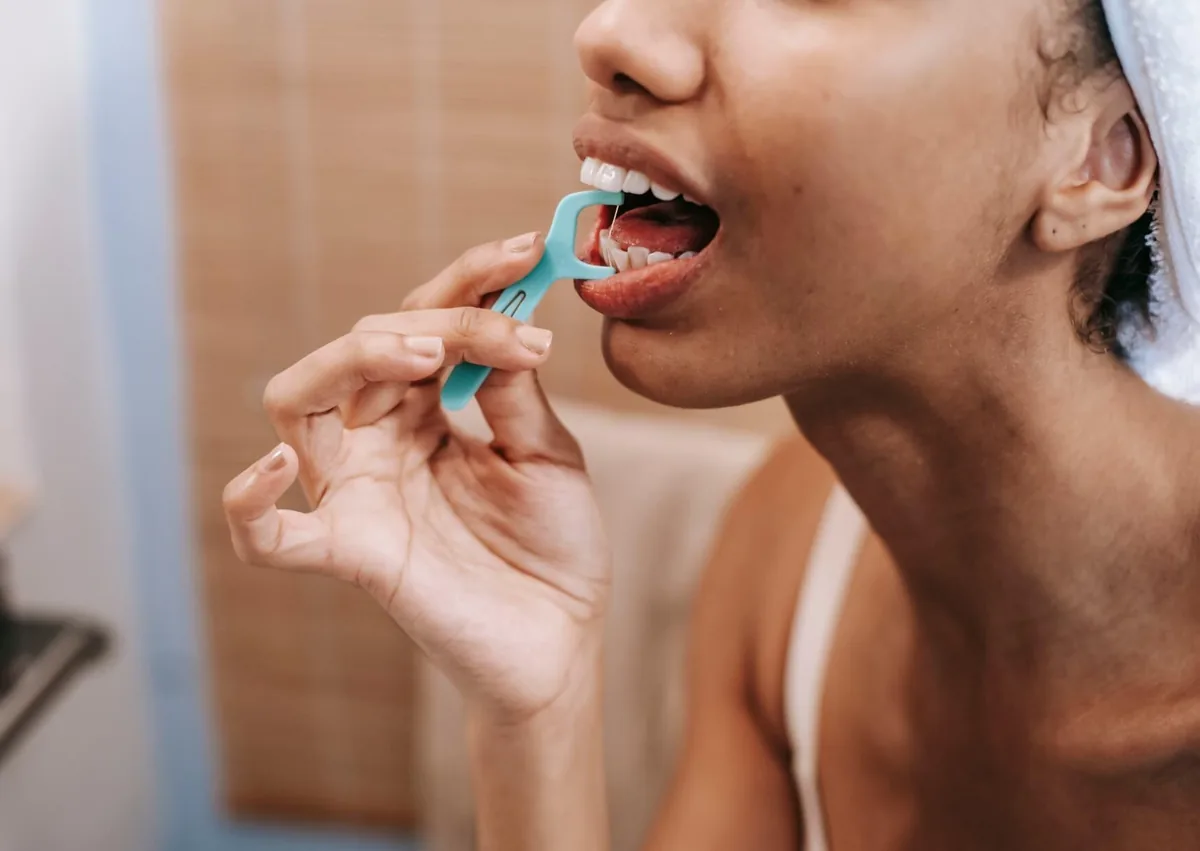
Brush twice a day with fluoride toothpaste and a soft-bristled toothbrush. Use gentle pressure along the gumline.
Clean between the teeth every day with floss, interdental brushes, or another tool recommended for your mouth. If you wear retainers, dentures, or other removable appliances, clean them as directed.
Try to limit frequent sugary snacks and drinks, which increase repeated acid exposure and raise cavity risk. Replace a worn toothbrush regularly so home care stays effective.
When to Seek Dental Care Before Your Next Cleaning
Do not wait for pain before calling a dentist. Persistent bleeding gums, bad breath, loose teeth, gum recession, tooth sensitivity, or a change in how your teeth fit together should be evaluated even if your next cleaning is already scheduled.
You should also schedule an evaluation for tooth pain, a broken tooth, swelling, or a mouth sore that lasts longer than two weeks. These problems may need diagnosis and treatment, not just an earlier cleaning.
If the exam shows decay, dental fillings or other restorative care may be recommended. Seek urgent dental or medical care for rapidly increasing facial or neck swelling, fever with dental swelling, uncontrolled bleeding, trouble swallowing, or trouble breathing.
If cleaning, assessment, or follow-up care is needed, the next step is a brief preventive visit so your dental team can confirm what treatment is appropriate. Charlotte Dental Associates focuses on dental cleanings and prevention in Charlotte, NC, and near University City and University Place; call (704) 548-8563 to schedule an appointment.
FAQs
Does a routine dental cleaning hurt?
It usually causes pressure, vibration, or mild sensitivity rather than significant pain. Inflamed gums, exposed roots, or heavy tartar can make it less comfortable, so tell the dental professional what you are feeling.
Can a routine cleaning whiten teeth?
Polishing can remove some outside stains from coffee, tea, tobacco, and certain foods, which may make teeth look brighter. It does not change the natural inner tooth color the way professional teeth whitening can.
Why do my gums bleed during a cleaning?
Bleeding often happens when plaque has caused gum inflammation, though other health factors can also contribute. Bleeding that is frequent, heavy, or persistent should be evaluated rather than assumed to be normal.
Can I eat after a routine dental cleaning?
Most people can eat right away unless fluoride treatment or another procedure requires a short waiting period. Follow your dental team's instructions, and consider avoiding very hot, cold, or hard foods if your teeth or gums feel sensitive.
Is a dental exam the same as a cleaning?
No. A cleaning removes deposits from the teeth, while an exam checks the teeth, gums, bite, and surrounding tissues for signs of disease or damage. They are often done at the same visit, but they serve different purposes.
Related Articles
- How Long Does Teeth Whitening Last
- Signs Of A Cavity Between Teeth
- What To Expect At Your First Dental Appointment
Oral thrush is a common yeast infection in the mouth that often causes white patches, soreness, burning, or changes in taste. It usually improves with antifungal treatment, but a dentist or medical clinician should confirm the cause because other mouth conditions can look similar.
If you’re dealing with recurring white patches, soreness, or concern about oral thrush, professional dental cleanings can help remove contributing plaque and allow early detection of issues. Charlotte Dental Associates in Charlotte, NC supports preventive care and targeted oral hygiene to reduce recurrence and protect comfort.
What Oral Thrush Looks and Feels Like
Oral thrush, also called oral candidiasis, happens when Candida yeast grows more than usual in the mouth. Candida can be present normally, but changes in health, medication use, or the mouth’s environment can let it overgrow.
Common signs include white or cream-colored patches on the tongue, inner cheeks, gums, roof of the mouth, or throat. These patches may wipe away and leave a red, tender surface that can bleed slightly.
Some people also notice a burning feeling, soreness, a cotton-like sensation, bad taste, or reduced taste. Denture wearers may develop redness or soreness under a denture, sometimes without obvious white patches.
What Causes Oral Thrush and Who Is at Higher Risk?
Oral thrush is more likely when the mouth’s normal balance is disrupted or the immune system is under strain. Several common triggers can increase the chance of infection.
Risk factors include:
- recent antibiotic use
- inhaled corticosteroids for asthma or other lung conditions
- dry mouth
- dentures, especially if worn overnight or not cleaned well
- diabetes, especially when blood sugar is not well controlled
- cancer treatment or medicines that suppress the immune system
- conditions that weaken immunity
- smoking or vaping
- infancy or older age
Oral thrush is not usually considered contagious between healthy adults. In infants and breastfeeding parents, however, Candida can sometimes pass back and forth, so both may need medical evaluation.
How Oral Thrush Is Diagnosed
A dentist or medical clinician can often diagnose oral thrush by examining the mouth and reviewing symptoms, medications, and health history. If the diagnosis is unclear or the problem keeps returning, they may take a small sample or recommend evaluation for an underlying condition.
Not every white or red patch is thrush. Irritation, burns, inflammatory conditions, and some precancerous changes can look similar, especially if an area does not wipe away or does not heal.
|
Feature |
Oral Thrush Often Presents As |
Another Condition May Be More Likely When |
|---|---|---|
|
Appearance |
Creamy white patches or widespread redness |
A single persistent patch or ulcer |
|
When wiped |
May reveal a red, sore surface |
Does not rub or wipe away |
|
Sensation |
Burning, tenderness, or altered taste |
Persistent numbness, a firm lump, or unexplained bleeding |
|
Pattern |
May follow antibiotics or inhaler use |
Remains despite addressing common triggers |
These differences cannot confirm a diagnosis at home. Any persistent mouth change should be assessed professionally, even if it does not hurt.
Oral Thrush Treatment and Recovery Expectations
Treatment for oral thrush usually involves a prescription antifungal medicine used in the mouth or taken by mouth. The right treatment depends on age, overall health, symptom severity, and whether the infection has happened before.
Symptoms often start to improve after treatment begins, but the full prescribed course should be completed unless the treating clinician says otherwise. If symptoms do not improve, the diagnosis may need to be reconsidered or a contributing factor may still be present.
Recurring oral thrush may point to dry mouth, poor denture fit or hygiene, uncontrolled diabetes, medication effects, or reduced immune function. Treating those underlying factors helps lower the chance of it coming back.
How to Help Prevent Oral Thrush
Brush twice a day with fluoride toothpaste, clean between the teeth, and keep removable oral appliances clean. Remove dentures at night unless a dentist has told you otherwise, and follow instructions for cleaning and soaking them.
Professional dental cleanings and preventive care can also help remove plaque buildup that may contribute to yeast overgrowth and allow early detection of oral changes.
After using an inhaled corticosteroid, rinse the mouth with water and spit it out. Do not stop or change a prescribed inhaler, antibiotic, or other medicine without checking with the prescribing clinician.
Staying hydrated and managing dry mouth can also support a healthier oral environment. People with diabetes can lower risk by following their care plan and keeping blood glucose as well controlled as possible.
When Oral Thrush Needs Dental or Medical Care

Arrange an evaluation if suspected oral thrush is painful, keeps returning, makes eating difficult, or does not improve. Prompt assessment is also important if you have a weakened immune system, poorly controlled diabetes, or a white or red patch that lasts more than two weeks.
Seek urgent medical care for difficulty breathing or swallowing, rapidly increasing swelling, signs of dehydration, or an inability to take fluids. Fever, chest pain, or the feeling that food is sticking may suggest the problem extends beyond the mouth and needs timely medical attention.
A dentist can assess oral tissues, dentures, dry mouth, and other local factors. A medical clinician may also need to evaluate medication effects or underlying health conditions when thrush is severe, persistent, or recurrent.
If thrush keeps returning or does not improve, a dental evaluation can identify causes such as denture fit or hygiene and start preventive treatment. Charlotte Dental Associates provides dental cleanings and prevention in Charlotte, NC, with care near University City and University Place; call (704) 548-8563 to schedule.
FAQs
Can oral thrush go away without treatment?
A mild case may improve if a temporary trigger resolves, but it is safer to have suspected thrush evaluated. Treatment may shorten symptoms and help rule out other causes of white patches.
Is oral thrush painful?
It can be painless, but many people notice burning, tenderness, altered taste, or discomfort with spicy or acidic foods. Cracks at the corners of the mouth can also be sore.
Can mouthwash cure oral thrush?
Standard mouthwash does not reliably cure oral thrush, and alcohol-containing products may worsen dryness or irritation. Prescription antifungal treatment is often needed along with management of the cause.
Why does oral thrush keep coming back?
Repeated infections may be linked to dentures, dry mouth, inhaled corticosteroids, recent antibiotics, diabetes, or reduced immune function. A clinician can confirm the diagnosis and look for a factor that needs more attention.
Related Articles
- Preventive Dental Care
- What Does A Cavity Feel Like
- Dental Abscess Self Care
- What Does An Infected Tooth Look Like
Cavities can look like chalky white spots, tan or brown stains, dark pits, or visible holes in a tooth. But many cavities are hard or impossible to see at home, especially when they form between teeth or under an existing filling, so appearance alone cannot confirm or rule out decay.
If you're noticing white spots, stains, or sensitivity and want to find out whether early decay is developing, a preventive exam and cleaning can help catch problems before they need fillings. Charlotte Dental Associates in Charlotte, NC helps patients protect enamel and reduce the chance of needing more extensive treatment by combining professional cleaning with personalized prevention advice.
What Do Cavities Look Like When They First Start?
An early cavity often starts as a dull, chalky white spot where enamel has lost minerals. This change may show up near the gumline, around braces, or in the grooves of back teeth.
Early decay usually does not cause pain or create a visible hole. At this stage, a dentist may be able to help stop or reverse mineral loss with fluoride, better plaque removal, and diet changes before dental fillings are needed.
What Do Cavities Look Like as They Get Worse?
As decay progresses, the area may turn yellow, light brown, dark brown, or black. The enamel can weaken and break down, leaving a rough pit or a visible hole that traps food.
Color alone does not show how deep a cavity is. A small dark spot may extend into dentin, while some dark grooves are only stains.
|
Possible Stage |
What It May Look Like |
Other Possible Signs |
|---|---|---|
|
Early mineral loss |
Chalky white or dull area |
Often no symptoms |
|
Enamel decay |
Tan, brown, or dark spot |
Mild sensitivity may occur |
|
Dentin decay |
Pit, rough area, or visible hole |
Sensitivity to sweets, cold, or heat |
|
Deep decay |
Larger hole or broken tooth structure |
Toothache, lingering sensitivity, or pain when biting |
What Do Cavities Look Like Between Teeth or Around Fillings?
Cavities between teeth usually cannot be seen without dental tools or X-rays. At home, you might notice floss catching or shredding, but that can also happen because of tartar, a rough filling, or normal tooth shape.
Decay around a filling or crown may look like a dark edge, gap, or chipped area. Harmless staining can look similar, so a dentist may use an exam and bitewing X-rays to check whether the tooth is actually decayed. Learn more in our article on signs of a cavity.
What Can Be Mistaken for a Cavity?
Not every dark mark or sensitive tooth is a cavity. Common look-alikes include stained grooves, tartar, surface discoloration, enamel defects, worn enamel, small cracks, and exposed roots from gum recession.
A cavity also is not always visible, even when symptoms are present. Only a dental exam can diagnose the cause, and X-rays may be needed when the area is hidden.
Why Cavities Develop
Cavities form when bacteria in plaque feed on sugars and starches and produce acids. Repeated acid attacks pull minerals from enamel, and ongoing damage can eventually create a hole.
Frequent snacking, sugary or acidic drinks, dry mouth, low fluoride exposure, and difficulty cleaning crowded teeth or appliances can all raise risk. Genetics can affect tooth shape and saliva, but daily habits still play a major role in how cavities develop.
What Symptoms Can Happen With a Cavity?
A cavity may cause sensitivity to sweets, cold, or heat, along with pain when biting, food trapping, bad breath, or a toothache. Pain that lingers after hot or cold exposure can mean the decay is getting closer to the pulp, where the tooth’s nerves and blood vessels are located.
Some cavities cause no symptoms until they are advanced. For a fuller description of common sensations, read about what a cavity feels like.
What to Expect If a Cavity Needs Treatment
Treatment depends on how far the decay has gone. Early mineral loss may be managed with fluoride and improved home care, while a true hole usually requires removal of the damaged area and placement of dental fillings.
Deeper decay may require crowns and bridges, root canal treatment, or a tooth extraction if the tooth cannot be restored. For more on cosmetic restorative options, read about tooth colored fillings.
A dentist will consider the tooth, your symptoms, X-rays, and how much healthy structure remains before recommending treatment.
How to Help Prevent Cavities You Can See

Brush twice a day with fluoride toothpaste and clean between your teeth daily with floss or another dentist-recommended tool. Spit out excess toothpaste after brushing, and follow label directions instead of swallowing it.
Try to reduce how often your teeth are exposed to sugary snacks and drinks, especially between meals and before bed. Regular exams and a professional teeth cleaning can catch early changes that are easy to miss in the mirror.
When to See a Dentist for a Possible Cavity
Schedule a dental visit if you notice a new white, brown, or black spot, a pit or hole, repeated food trapping, a chipped tooth, or sensitivity that does not go away. A prompt exam also makes sense if you have unexplained pain, even when the tooth looks normal.
Seek urgent dental care for severe or worsening pain, swelling of the gums or face, pus, fever, or trouble opening your mouth. Trouble breathing or swallowing, rapidly spreading swelling, or swelling near the eye requires emergency medical care. If infection may be involved, see our guidance on dental abscess self-care.
Because cavities can look like stains and often stay hidden between teeth, a professional evaluation is the safest way to tell whether you need monitoring, prevention, or treatment.
If you suspect a cavity or notice persistent sensitivity, getting a professional cleaning and exam can identify hidden decay and outline the simplest treatment path. Charlotte Dental Associates focuses on dental cleanings and prevention in Charlotte, NC, serving patients near University City and University Place; call (704) 548-8563 or book an appointment.
FAQs
Can a cavity be black?
Yes. A cavity can appear dark brown or black, especially after the tooth structure starts to break down. A black mark can also be a stain or an inactive area, so color alone is not enough to diagnose decay.
Are cavities always visible?
No. Cavities between teeth, under crowns, or around fillings may not be visible at home, and dentists often use X-rays to find them.
Does a white spot mean I have a cavity?
A chalky white spot may be an early sign of mineral loss, but other enamel changes can look similar. A dentist can tell whether it is active decay and whether preventive treatment may help.
Can a cavity heal without a filling?
Very early mineral loss may sometimes be stopped or reversed before a hole forms. Once a tooth has a physical cavity, it usually needs restorative treatment because lost tooth structure does not grow back.
Can I tell how deep a cavity is by looking at it?
Usually not. A small opening can hide wider decay underneath, while a dark surface mark may only be a stain, so depth needs to be assessed by a dentist.
Related Articles
- How Long Does It Take For A Cavity To Form
- Signs Of A Cavity Between Teeth
- What Does A Cavity Feel Like
- Dental Abscess Self Care
- Tooth Colored Fillings
After wisdom teeth removal, eat cool or lukewarm soft foods that are easy to swallow, such as yogurt, applesauce, pudding, mashed banana, and blended soup. Avoid hot, hard, crunchy, sticky, spicy, or acidic foods, and do not use a straw, because suction and heavy chewing can disturb the blood clot protecting each extraction site.
If you are also wondering what early wisdom tooth eruption can look like, see our article on wisdom tooth appearance.
If you've just had wisdom teeth removed or are weighing whether an extraction is needed, our tooth extractions team can explain what to expect and how it affects recovery. Charlotte Dental Associates in Charlotte, NC provides calm, practical post op guidance and clear steps to help you recover comfortably.
What to Eat After Wisdom Teeth Removal on Day 1
During the first 24 hours, choose foods that need little or no chewing. Good options include applesauce, smooth yogurt without seeds or granola, pudding, gelatin, mashed banana, and cooled blended soup.
Healing also depends on getting enough fluids, calories, and protein. Smooth Greek yogurt, a nutrition shake sipped from a cup, or a fully blended smoothie eaten with a spoon can be helpful.
Keep foods cool or lukewarm, not hot. Heat can increase bleeding, and very cold foods may bother sensitive teeth.
What to Eat After Wisdom Teeth Removal During the First Week
As swelling and soreness improve, you can slowly add more texture. Move forward based on comfort, especially if several teeth were removed or an impacted tooth required a more involved extraction.
|
Recovery Stage |
Foods That May Be Comfortable |
Foods to Avoid |
|---|---|---|
|
First 24 hours |
Yogurt, pudding, applesauce, mashed banana, cooled blended soup |
Hot foods, straws, crunchy foods, alcohol |
|
Days 2 to 3 |
Mashed potatoes, oatmeal, cottage cheese, scrambled eggs, smooth hummus |
Chips, nuts, seeds, spicy foods |
|
Days 4 to 7 |
Soft pasta, flaky fish, tender cooked vegetables, soft bread without a hard crust |
Popcorn, tough meat, crusty bread, sticky candy |
|
After one week |
Gradual return to regular foods as comfort allows |
Foods that cause pain or collect in the sockets |
Chew slowly and use the side away from the extraction sites when possible. If a food causes throbbing, sharp pain, or renewed bleeding, stop and return to softer foods.
Foods to Avoid After Wisdom Teeth Removal
Hard or crunchy foods like chips, popcorn, nuts, crackers, and raw vegetables can scrape healing tissue or leave pieces in the sockets. Small foods such as seeds, rice, and crumbly granola can also get trapped around the surgical sites.
Avoid chewy or sticky foods, including tough meat, bagels, caramels, and gummy candy, until chewing feels comfortable. Spicy and highly acidic foods may sting the area, and carbonated drinks can irritate some patients.
Do not use a straw during early healing. The suction may dislodge the blood clot and contribute to dry socket, a painful condition that exposes the underlying tissue before the socket has healed.
Alcohol can irritate healing tissue and may interact with prescribed or over-the-counter medicine. Smoking and vaping also increase the risk of delayed healing and dry socket, so follow your surgical team's instructions closely.
Why Eating Carefully Matters After Wisdom Teeth Removal
A blood clot forms in each socket after a tooth is removed. That clot acts as a temporary protective layer over the bone and nerves underneath.
Vigorous chewing, suction, food debris, or forceful rinsing can disturb the clot. When that happens, pain may increase and healing may slow.
Swelling and jaw stiffness are common during the first few days, so chewing may feel awkward at first. Symptoms should usually improve over time rather than steadily worsen.
Stay hydrated with small sips of water from a cup. When your dentist says it is safe, gentle saltwater rinsing may help clear debris, but avoid forceful swishing, spitting, or probing the socket.
When You Can Return to Regular Food After Wisdom Teeth Removal
Many people can start adding more texture within a few days and move toward a regular diet after about a week. Recovery may take longer after difficult extractions, especially if the teeth were impacted or the jaw is still sore.
Start with foods like tender pasta, soft-cooked vegetables, flaky fish, or finely cut tender foods. Add one texture at a time and keep avoiding anything that causes pain, gets stuck, or requires heavy chewing.
If your surgeon or dentist gives you a different timeline, follow those instructions. A follow-up visit may be helpful if eating is still difficult or healing does not seem normal.
When to Call the Dentist After Wisdom Teeth Removal

Contact the dentist or oral surgeon if pain becomes severe or gets worse after first improving, especially two to five days after surgery. For more guidance on severe or unrelenting pain, see our article on extreme tooth pain.
Increasing pain that spreads toward the ear, a bad taste or odor, a visible empty socket, fever, pus, or worsening swelling may suggest dry socket or infection. These symptoms need professional evaluation.
Seek prompt care for bleeding that does not improve with the clinician's recommended pressure technique, trouble drinking enough fluids, repeated vomiting, or numbness that is new or not improving as expected. Call 911 or seek emergency care for trouble breathing or swallowing, rapidly expanding swelling, or uncontrolled bleeding.
If cost or coverage is a concern, review our Medicaid acceptance information to understand eligibility and coverage for follow-up care.
Know When Your Extraction Recovery Needs a Closer Look
Recovery should gradually bring easier eating, less swelling, and better jaw movement. If symptoms are severe, persistent, worsening, or simply unclear, the treating dental team should examine the area.
If pain, increasing bleeding, or signs of infection occur, contact the office for prompt evaluation and treatment guidance. Charlotte Dental Associates can help with tooth extractions in Charlotte, NC and nearby University City and University Place; call (704) 548-8563 to schedule or book online.
FAQs
Can I eat ice cream after wisdom teeth removal?
Plain, smooth ice cream may be comfortable in small amounts if cold foods do not cause sensitivity. Avoid cones, nuts, candy pieces, cookie fragments, and other hard mix-ins that can irritate or get trapped in the sockets.
Can I drink coffee after wisdom teeth removal?
Avoid hot coffee during early healing because heat may encourage bleeding or irritate the surgical areas. Ask the treating clinician when to resume it, and let it cool before drinking it from a cup rather than through a straw.
Can I eat rice after wisdom teeth removal?
Rice is soft, but individual grains can become lodged in healing sockets. It is usually safer to choose smooth or cohesive foods early on and add rice later when the sites are less tender and your dental team says a broader diet is okay.
What if food gets stuck in a wisdom tooth socket?
Do not pick at the socket. Follow your clinician's instructions for gentle rinsing or prescribed irrigation, and contact the dental office if debris will not clear, pain increases, or there is a persistent bad taste or odor.
Related Articles
Dental sealants are thin coatings placed on the chewing surfaces of back teeth to help prevent cavities. They are most often used on children's permanent molars, but some adults may benefit too. Sealants are safe, quick to place, and work best as part of cavity prevention, not as a replacement for brushing, flossing, fluoride, or dental cleaning.
If you're weighing sealants as part of preventing cavities and keeping your child's permanent molars healthy, consider routine preventive care to support those decisions. Charlotte Dental Associates in Charlotte, NC helps patients maintain clean teeth, monitor sealants, and reduce cavity risk with regular checkups and cleanings.
How Dental Sealants Help Prevent Cavities
Molars and premolars often have deep pits and grooves that trap food, plaque, and cavity-causing bacteria. Even careful brushing may not fully clean the narrowest areas.
A sealant flows into those grooves and hardens into a smooth protective layer. This helps block bacteria and acids from sitting directly on the enamel and starting decay. To learn more about the timeline for decay, read how long a cavity takes.
Sealants are commonly placed on permanent molars soon after they come in, usually around ages 6 and 12. Adults with deep grooves and no fillings or decay on those chewing surfaces may also be good candidates.
Who May Benefit From Dental Sealants
A dentist may recommend dental sealants based on tooth shape, cavity history, diet, fluoride exposure, oral hygiene, and how easy it is to keep the back teeth clean. Children and teenagers often benefit the most because newly erupted permanent molars are especially vulnerable to decay.
Sealants are preventive, not a way to repair a clear cavity. In some cases, a dentist may place a sealant over a very early non-cavitated area after evaluating the tooth, but a definite cavity may need dental fillings or composite fillings.
|
Situation |
Typical Consideration |
|---|---|
|
Newly erupted permanent molars |
Often strong candidates for sealants |
|
Deep pits and grooves |
Sealants may make the surface easier to protect |
|
Existing filling or crown |
Usually not sealed over the restoration |
|
Visible cavity or tooth damage |
Requires evaluation for appropriate treatment |
|
Shallow, easy-to-clean grooves |
The preventive benefit may be lower |
What to Expect During Dental Sealant Placement
Dental sealant placement is usually quick and painless. The tooth is cleaned and dried, a conditioning material is applied to help the sealant bond, and then the sealant is painted onto the chewing surface.
A curing light is often used to harden the material. Drilling and numbing are usually not needed, and most patients can eat normally afterward unless the dental team gives different instructions.
The bite may feel a little different at first. If a tooth feels high or uncomfortable, let the dental team know so the sealant can be checked.
Dental Sealants Safety and Limits
Dental sealants have been used for many years and are considered safe. Some resin-based materials may contain or briefly release very small amounts of bisphenol A, or BPA, but available evidence has shown no adverse effects from this short exposure in dental sealants.
Sealants lower cavity risk on the treated chewing surfaces, but they do not protect every part of the tooth. Cavities can still form between teeth, along the gumline, or in areas where a sealant has worn down or partially come off.
When it is hard to keep a tooth fully dry, a dentist may consider another material such as glass ionomer. The best material depends on the tooth, moisture control, expected wear, and clinical judgment.
How Long Do Dental Sealants Last?
Dental sealants can last for several years, but their lifespan varies. The material used, bite forces, tooth position, and how well the sealant bonded all affect durability.
A sealant may wear down, chip, or come off without causing symptoms. That is why dentists check sealants during routine exams and repair or replace them when needed.
A lost sealant is usually not an emergency. However, the grooves on that tooth no longer have the same level of protection.
How to Care for Teeth With Dental Sealants
Brush twice a day with fluoride toothpaste and clean between teeth daily. Limit frequent sugary snacks and drinks, since sealants protect only selected surfaces and not the whole mouth.
Avoid chewing ice or other very hard nonfood items that can damage teeth or dental materials. Keep regular dental visits so the dentist can monitor the sealants and check for decay in areas you cannot easily assess at home.
When to See a Dentist About Dental Sealants or Possible Decay

Schedule a dental exam if a tooth develops pain, temperature sensitivity, a dark spot, a visible hole, swelling, or discomfort when biting. These symptoms may point to decay, a cracked tooth, or another problem that a sealant cannot treat. Read more about what a cavity feels like.
Seek prompt care for worsening pain, gum or facial swelling, fever with a dental problem, pus, or trouble opening the mouth. Difficulty breathing or swallowing with facial or neck swelling requires emergency medical care.
A dentist can tell whether dental sealants are appropriate by examining the chewing surfaces and reviewing cavity risk. Follow-up visits also help catch worn sealants and early decay before they become bigger problems.
For ongoing protection and to check whether sealants or repairs are needed, plan a preventive visit so your dentist can inspect treated surfaces and address early wear or decay. Charlotte Dental Associates focuses on preventive care in Charlotte, NC and nearby University City and University Place; call (704) 548-8563 or book an appointment.
FAQs
Are dental sealants only for children?
No. Children and teenagers get them most often, but adults with cavity-prone grooves and suitable unrestored teeth may also benefit.
Can a cavity develop under a sealant?
Yes, it is possible. The risk is higher if the sealant has gaps, becomes damaged, or was placed over decay that had already progressed.
Do dental sealants hurt?
Placement usually does not hurt because tooth structure typically is not removed. Some patients only notice mild temporary discomfort from holding the mouth open or keeping the tooth dry.
Are dental sealants the same as fillings?
No. Sealants are used to prevent cavities in vulnerable grooves, while fillings repair tooth structure already damaged by decay or fracture.
Does insurance cover dental sealants?
Coverage varies by plan, age limits, tooth, and cavity-risk rules. Check your benefits and ask the dental office for an estimate before treatment; for low-cost options, learn about Medicaid acceptance.
Related Articles
- How Long Does It Take For A Cavity To Form
- Signs Of A Cavity Between Teeth
- What Does A Cavity Feel Like
- Composite Fillings
- Dental Cleaning
Plaque is a soft, sticky film of bacteria that you can usually remove at home with thorough brushing and daily cleaning between the teeth. If plaque hardens into tartar, also called calculus, it cannot be brushed off and usually requires professional dental instruments during dental cleanings.
If persistent plaque or hardened tartar make home care feel insufficient, professional dental cleanings can identify problematic buildup and assess whether deeper treatment is needed. Charlotte Dental Associates in Charlotte, NC provides gentle preventive care that removes deposits, protects gum health, and helps you maintain a comfortable mouth.
How to Remove Plaque From Teeth at Home
The most effective way to remove plaque from teeth at home is to brush twice a day with fluoride toothpaste and clean between the teeth once a day. Consistent daily care matters more than occasional aggressive brushing.
Plaque starts forming again soon after you clean your teeth. If it stays in place, the bacteria in plaque use sugars and starches from food and drinks to produce acids that can raise the risk of cavities and gum inflammation.
Removing Plaque From Teeth With Brushing
Brush for two minutes twice a day with a soft-bristled toothbrush or powered toothbrush. Angle the bristles about 45 degrees toward the gumline and use gentle, short strokes on the front, back, and chewing surfaces of every tooth.
Use fluoride toothpaste and spit out the excess after brushing. Avoid hard scrubbing, which does not remove plaque better and may irritate the gums or wear down tooth surfaces over time.
A powered toothbrush can be helpful if you have trouble brushing evenly or for a full two minutes. Features like a timer or pressure sensor may improve consistency.
How to Remove Plaque Between Teeth
A toothbrush cannot fully clean the tight spaces between teeth. Clean between the teeth once a day with floss, floss holders, interdental brushes, or a water flosser.
With string floss, slide it gently between two teeth and curve it into a C shape against one tooth. Move it up and down slightly under the gumline, then repeat on the neighboring tooth without snapping the floss into the gums.
Interdental brushes may work well around braces, bridges, gum recession, or wider spaces. A dentist or dental hygienist can help you choose a size that fits comfortably without force.
|
Cleaning Method |
Often Useful For |
Key Consideration |
|---|---|---|
|
String floss |
Tight contacts between teeth |
Use a gentle C shape around each tooth |
|
Interdental brush |
Open spaces, braces, or bridges |
Choose a size that fits without force |
|
Water flosser |
Braces, dental work, or limited dexterity |
Aim along the gumline and follow product directions |
|
Powered toothbrush |
Improving brushing consistency |
A pressure sensor or timer may help |
If you're concerned about decay between teeth, read signs of a cavity.
Plaque vs. Tartar: What You Can and Cannot Remove
Plaque is soft and may make teeth feel fuzzy or coated. It can also contribute to red, swollen, tender, or bleeding gums, although early plaque buildup may not cause obvious symptoms.
If plaque is not removed, minerals in saliva can harden it into tartar. Tartar often looks yellow or brown and may feel rough, especially behind the lower front teeth or along the gumline.
Do not try to scrape tartar off at home. Using fingernails, sharp objects, or dental tools can injure the gums, scratch teeth or roots, damage dental work, and leave buildup below the gumline.
Products That Help Remove Plaque From Teeth
Fluoride toothpaste helps lower cavity risk while brushing physically breaks up plaque. Some toothpastes also carry the American Dental Association Seal of Acceptance for plaque or gingivitis control.
An antimicrobial mouthrinse may help reduce bacteria, but it does not replace brushing or cleaning between the teeth. Ask a dentist whether a rinse makes sense if you have dry mouth, mouth irritation, extensive dental work, or ongoing gum inflammation.
Plaque-disclosing tablets or solutions can highlight areas you are missing. Follow label directions carefully, since they may temporarily stain the tongue, lips, clothing, or some dental materials.
What to Expect and How to Prevent Plaque Buildup
Plaque control is an everyday process, not a one-time fix. Replace your toothbrush or powered brush head about every three to four months, or sooner if the bristles look frayed.
Try to limit frequent sipping or snacking on sugary or starchy foods. Repeated exposure gives plaque bacteria more chances to make acid.
Drinking fluoridated water when available and cleaning your teeth before bed can also help. Professional dental cleanings still matter because even careful home care may miss some areas, and tartar cannot be removed with brushing alone.
The right cleaning schedule depends on your gum health, cavity risk, tobacco use, medical conditions, and how quickly tartar builds up. A dentist can recommend an interval based on your exam.
When Plaque or Gum Symptoms Need Dental Care

Schedule a dental exam if bleeding, swelling, tenderness, bad breath, or visible tartar does not improve with careful daily cleaning. A dentist can determine whether the problem is gingivitis, a cavity, periodontitis, a damaged restoration, or another condition.
Prompt care is especially important for receding gums (see causes of receding gums), loose or shifting teeth, pus near the gums, pain when biting, or symptoms that are getting worse. Seek urgent dental or medical care for major facial swelling, fever with dental pain, trouble swallowing, trouble breathing, uncontrolled bleeding, or rapidly spreading swelling.
Stop Tartar Buildup From Becoming a Bigger Problem
A professional exam can identify buildup below the gumline and show whether you need a routine cleaning or more involved periodontal treatment such as tooth scaling. Treatment decisions should be based on an exam rather than home care alone.
If tartar is visible or gum symptoms persist despite careful home care, a professional cleaning or tooth scaling can stop disease progression and reduce bleeding or sensitivity. Charlotte Dental Associates offers dental cleanings and tooth scaling in Charlotte, NC and nearby University City and University Place; call (704) 548-8563 to make an appointment or book online.
FAQs
Can plaque be removed in one day?
Most soft plaque can be disrupted during one careful brushing and interdental-cleaning session. If an area still feels rough afterward, it may contain tartar or may simply be hard to reach.
Does baking soda remove plaque?
Toothpaste that contains baking soda may help remove some surface plaque and stains when used as directed. Avoid homemade abrasive mixtures or vigorous scrubbing, which can irritate oral tissues and will not safely remove tartar.
Can mouthwash remove plaque without brushing?
No. Mouthrinse may reduce some bacteria, but brushing and cleaning between the teeth are still needed to physically break up plaque.
Why do my gums bleed when I remove plaque?
Bleeding often happens when plaque has already inflamed the gums. It can also happen if brushing or flossing is too forceful, so use a gentle technique and get dental care if bleeding is heavy, unexplained, worsening, or does not improve with consistent cleaning.
Related Articles
- Dental Cleaning
- How Long Does a Dental Cleaning Take
- Causes of Receding Gums
- Signs of a Cavity Between Teeth
- How Long Does It Take for a Cavity to Form
A dry mouth usually means you are not making enough saliva or are losing moisture faster than usual. Common causes include dehydration, medication side effects, mouth breathing, tobacco or cannabis use, and certain health conditions. Persistent dry mouth should be evaluated because it can raise the risk of cavities and oral infections; learn more about how long it takes for a cavity to form.
If persistent dry mouth is affecting your comfort or increasing your cavity risk, preventative dental cleanings can help monitor saliva-related changes and protect your teeth. Charlotte Dental Associates in Charlotte, NC offers gentle, evidence-based preventive care to reduce decay risk and guide next steps.
Why Is My Mouth So Dry All of a Sudden?
Sudden dry mouth often happens after exercise, fever, vomiting, diarrhea, alcohol use, anxiety, or several hours without enough fluids. It can also happen after sleeping with your mouth open because of nasal congestion, snoring, or sleep apnea.
Many prescription and over-the-counter medicines can reduce saliva production. Common examples include some antihistamines, decongestants, antidepressants, anti-anxiety medicines, blood pressure medicines, muscle relaxants, pain medicines, and medicines for overactive bladder.
Do not stop a prescribed medicine on your own. A dentist, physician, or pharmacist can review side effects and help decide whether a different option or timing change makes sense.
Why Is My Mouth So Dry Every Day?
Dry mouth that happens every day may be linked to diabetes, Sjögren’s disease, thyroid disorders, autoimmune conditions, or salivary gland damage. Radiation to the head or neck can greatly reduce saliva, and chemotherapy can cause temporary changes.
Smoking, vaping, and cannabis can make dry mouth worse. Heavy caffeine or alcohol use may also contribute, especially if you are not drinking enough water.
A dry feeling does not always mean saliva is completely absent. Thick or stringy saliva, altered taste, anxiety, and mouth breathing can all make your mouth feel dry.
Why Is My Mouth So Dry and Why Does It Matter for Oral Health?
Saliva helps wash away food, balance acids, support swallowing, and protect tooth enamel. When saliva stays low, cavities can develop faster, especially near the gumline and on exposed roots. If you are noticing early warning signs, read about signs of a cavity.
Other signs that dry mouth is affecting oral health include:
- Sticky, burning, or cracked tissues in the mouth
- Cracked lips or splits at the corners of the mouth
- Thick, foamy, or stringy saliva
- Frequent thirst or waking up to drink water
- Trouble chewing, swallowing, speaking, or wearing dentures
- Persistent bad breath or changes in taste
- Mouth sores or a red, painful tongue
- White patches that may suggest oral thrush
What Helps When My Mouth Is So Dry?

Sip plain water regularly and keep water nearby at night. Sugar-free gum or lozenges may help stimulate saliva, especially products with xylitol, but they are not a good choice for people who have trouble swallowing.
Limit alcohol, tobacco, cannabis, and excess caffeine if they worsen symptoms. Avoid alcohol-based mouthwash, and consider a humidifier if dry indoor air or nighttime mouth breathing seems to be part of the problem.
Brush twice a day with fluoride toothpaste and clean between your teeth daily. A dentist may also recommend a dental cleaning, a saliva substitute, a stronger fluoride product, or dental fillings if dry mouth has already contributed to decay.
Sugary candy, soda, sports drinks, juice, and acidic lemon water may briefly moisten the mouth but can increase enamel damage. Choose water and sugar-free products instead, and remember that xylitol is highly toxic to dogs.
When Dry Mouth Needs Dental or Medical Care
Schedule a dental evaluation if a dry mouth lasts more than a couple of weeks, keeps waking you up, makes eating or swallowing hard, or happens with new cavities, sores, burning, white patches, or swollen salivary glands. A dentist can check saliva flow, review medications and habits, and coordinate with a medical clinician if an underlying condition is possible.
Seek prompt medical care if dry mouth happens with marked thirst and frequent urination, unexplained weight loss, fever, major facial or neck swelling, or signs of dehydration such as dizziness, confusion, or very little urine. Call 911 for trouble breathing, inability to swallow, or rapidly increasing swelling of the tongue, face, or throat.
Take Control of Dry Mouth Before Damage Develops
Early evaluation can help identify the cause and protect your teeth and oral tissues while symptoms are being addressed. Bring an up-to-date list of medicines and supplements, including nonprescription products, to your visit.
If dry mouth persists or you notice new cavities or sores, plan a focused preventive visit so a clinician can assess saliva flow and protect your teeth. Charlotte Dental Associates focuses on dental cleanings in Charlotte, NC and nearby University City and University Place; call (704) 548-8563 or schedule an appointment online.
FAQs
Can dehydration cause a very dry mouth?
Yes. Not drinking enough fluids, sweating heavily, fever, vomiting, or diarrhea can all make your mouth feel very dry. If symptoms continue even when you are well hydrated, another cause may be involved.
Why is my mouth dry when I wake up?
Dry mouth in the morning is often caused by mouth breathing, nasal congestion, snoring, sleep apnea, medication side effects, or dry indoor air. Loud snoring, gasping during sleep, morning headaches, or daytime sleepiness should be discussed with a medical clinician.
Can dry mouth cause cavities?
Yes. Reduced saliva lets acids and food debris stay on the teeth longer, which raises the risk of decay, enamel erosion, gum irritation, and oral infection. If you want to know what a cavity feels like, that article explains common symptoms.
Does drinking more water cure dry mouth?
Water can ease symptoms and correct mild dehydration, but it may not restore saliva if medicine side effects, gland damage, or a health condition is the cause. Ongoing dry mouth should be evaluated rather than managed with water alone.
Is dry mouth a sign of diabetes?
Dry mouth can happen with diabetes, especially when blood sugar is high, but it has many other common causes. Testing may be appropriate if dry mouth happens with frequent urination, unusual thirst, fatigue, blurred vision, or unexplained weight change.
Related Articles
- How Long Does It Take For A Cavity To Form
- Signs Of A Cavity Between Teeth
- What Does A Cavity Feel Like
- Dental Cleaning
Swollen gums are often caused by plaque buildup and early gum inflammation, but they can also result from irritation, infection, hormonal changes, dry mouth, or certain medications. Mild cases may improve with gentle oral hygiene, but swelling that is painful, lasts more than a few days, keeps returning, or comes with fever or facial swelling should be checked by a dentist.
Finding that swollen gums are often caused by plaque, a targeted teeth cleaning can reduce inflammation and make everyday oral care more comfortable. Charlotte Dental Associates in Charlotte, NC offers gentle preventive care that helps clarify causes and supports healthier gums.
What Swollen Gums Look and Feel Like
Healthy gums are usually firm, pale pink, and fit closely around the teeth. Swollen gums may look red, puffy, shiny, or enlarged and may feel tender when you brush, floss, chew, or touch the area.
Other symptoms can include bleeding during brushing, bad breath, a bad taste, receding gums, or sensitivity near the gumline. Swelling around one tooth often points to a local problem, while swelling in several areas may suggest generalized gum inflammation or a health-related cause.
Common Causes of Swollen Gums
Gingivitis is one of the most common causes of swollen gums. It happens when plaque, a sticky film of bacteria, stays along the gumline and triggers inflammation. The gums may bleed easily even when there is little or no pain.
If gingivitis is not treated, it can progress to periodontitis in some people. This more serious form of gum disease can damage the tissues and bone that support the teeth.
Warning signs of more advanced gum disease may include persistent bad breath, gum recession, spaces forming between teeth, loose teeth, or changes in the way your bite feels.
Other possible causes of swollen gums include:
- Food trapped between teeth or under the gumline
- Irritation from aggressive brushing or flossing, braces, dentures, retainers, or a rough tooth edge
- An infection involving a tooth, gum pocket, or partially erupted wisdom tooth (see infected tooth)
- Canker sores or other mouth lesions near the gums
- Hormonal changes, including pregnancy-related changes
- Dry mouth, tobacco use, poor nutrition, or certain medical conditions
- Medication-related gingival overgrowth, which can occur with some prescription drugs
A dentist can tell the difference between routine inflammation and a dental abscess or another condition that needs specific treatment. Do not stop a prescribed medication because of gum changes unless the prescribing clinician advises you to do so.
What Different Swollen Gum Patterns May Mean
The location and timing of swollen gums can help narrow down the cause, although appearance alone cannot confirm a diagnosis.
|
Pattern |
Possible Explanation |
Appropriate Next Step |
|---|---|---|
|
Generalized puffiness and bleeding |
Plaque-related gingivitis |
Improve gentle cleaning and arrange a dental visit if it persists |
|
Swelling around one tooth |
Trapped debris, gum injury, decay, or infection |
Schedule an evaluation, especially if painful |
|
Tender gum behind the last molar |
Irritation or infection around a wisdom tooth |
Seek dental care promptly if pain or swelling increases |
|
Gum enlargement after a medication change |
Medication-related tissue overgrowth |
Discuss it with the dentist and prescriber |
|
Rapid swelling with fever or facial swelling |
Spreading infection |
Obtain urgent care |
How to Relieve Mild Swollen Gums at Home
Keep brushing twice a day with a soft-bristled toothbrush and light pressure along the gumline. Clean carefully between the teeth with floss or another dentist-recommended interdental cleaner, but do not force it into painful tissue.
A warm saltwater rinse may temporarily soothe irritated gums. Drinking water can also help if dry mouth is contributing to the problem.
Choose softer foods for a day or two if chewing hurts. Avoid tobacco, alcohol-containing products that sting, and very spicy, crunchy, or sharp foods while the area is irritated.
Do not place aspirin, crushed medication, essential oils, or harsh chemicals directly on the gums because they can burn the tissue. Swelling caused by infection or advanced gum disease will not be cured by rinses or pain relievers, and do not squeeze or puncture a swollen area.
Dental Treatment for Swollen Gums
Treatment depends on the cause. A dentist may examine the teeth and gums, measure the spaces around the teeth, review your medications and health history, and take X-rays if infection, bone loss, or hidden decay is suspected.
Plaque-related gingivitis often improves with a professional teeth cleaning and consistent home care. A professional dental cleaning can help remove plaque and support healing.
If periodontitis is present, treatment may include tooth scaling and ongoing periodontal maintenance. If a tooth is badly damaged or infected, treatment may involve a tooth extraction or a root canal.
When a dental appliance, rough restoration, or trapped material is causing irritation, correcting that local problem may allow the gums to heal. Medication-related or medically influenced swelling may also require coordination between the dentist and physician.
How to Help Prevent Swollen Gums From Returning
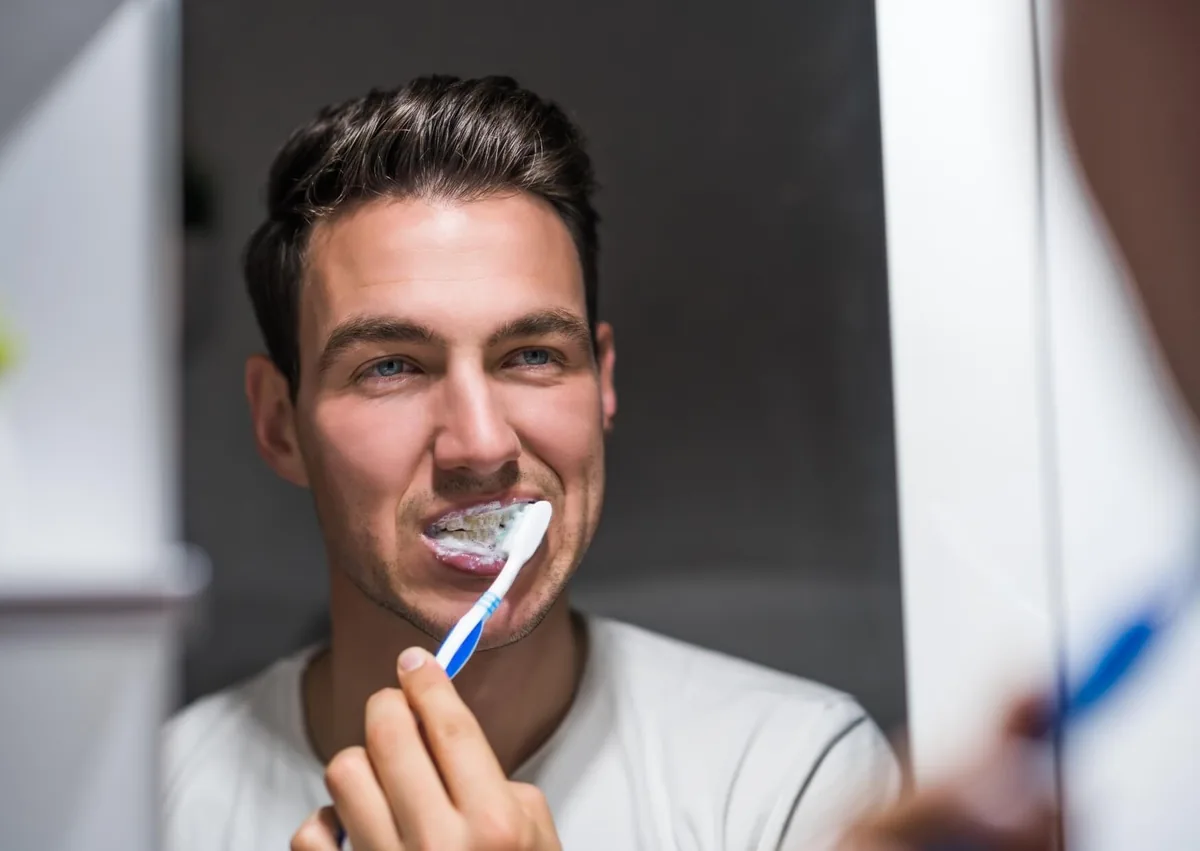
Brush gently with fluoride toothpaste and clean between the teeth every day. Replace a worn toothbrush, keep removable appliances clean, and follow the dental visit schedule recommended for your gum health needs.
Avoid smoking and other tobacco products, which raise the risk and severity of gum disease and can sometimes reduce visible bleeding. Managing dry mouth, diabetes, and other relevant health conditions may also help support healthier gums.
When Swollen Gums Need Dental or Emergency Care
Schedule a dental visit if swollen gums last more than several days, keep coming back, get worse, or affect one specific tooth. You should also seek care sooner for significant pain, pus, a pimple-like bump on the gum, persistent bleeding, a bad taste, difficulty chewing, a loose tooth, or swelling after dental work.
Get urgent medical or dental help for rapidly expanding swelling, facial or neck swelling, fever with dental symptoms, difficulty breathing or swallowing, drooling, confusion, or trouble opening the mouth. Call 911 for breathing difficulty or any other life-threatening symptom.
Swollen gums are often manageable when the cause is identified early. A dental exam is the safest way to find the reason, prevent the problem from progressing, and choose the right treatment.
For persistent or painful swelling, a professional teeth cleaning or exam can clarify the cause and prevent progression. Charlotte Dental Associates provides dental cleanings and prevention in Charlotte, NC with care near University City and University Place; call (704) 548-8563 to book.
FAQs
Can swollen gums go away on their own?
Mild irritation or early plaque-related inflammation may improve with gentle, thorough oral hygiene. Swelling that persists, returns, or comes with pain or discharge should be evaluated rather than watched indefinitely.
Why are my gums swollen but not painful?
Early gingivitis can cause puffiness and bleeding without much pain. Medication effects, hormonal changes, and some health conditions can also enlarge gum tissue, so painless swelling still deserves attention if it does not improve.
Can flossing cause swollen gums?
Forceful or incorrect flossing can irritate the gums temporarily. More often, bleeding or tenderness during flossing reflects existing inflammation, and careful daily cleaning usually becomes more comfortable as the gums improve.
Is a swollen gum around one tooth an emergency?
Not always, but swelling around one tooth may mean trapped food, decay, gum infection, or a dental abscess. Prompt dental care is important if the area is painful, growing, draining, or accompanied by fever, facial swelling, or trouble swallowing.
Related Articles
- Dental Cleaning
- Causes Of Receding Gums
- What Does An Infected Tooth Look Like
- Signs You Need A Root Canal
- Dental Abscess Self Care
Partial dentures usually cost about $700 to $3,000 per appliance in the United States, though some cases fall below or above that range.
If you're considering dentures, the final price depends on the material, the number and location of missing teeth, any treatment needed before the denture is made, insurance benefits, and local dental fees. Published estimates of the average price are useful for comparison, but they do not replace a personalized treatment plan.
The most reliable way to understand your total cost is to get a written estimate from a dentist. Ask whether it includes the exam, X-rays, impressions or digital scans, extractions, adjustments, and possible future repairs.
If you're trying to replace several missing teeth without committing to a fixed restoration, dentures may offer a practical balance of function, appearance, and cost. Charlotte Dental Associates in Charlotte, NC helps patients compare partial denture designs and understand what affects the final fee before treatment begins.
What Affects Partial Dentures Cost
A removable partial denture replaces one or more teeth and uses your remaining natural teeth for support. Because each appliance is custom-made, the design and complexity have a major effect on the price.
Common cost factors include:
- Denture type and materials: Acrylic partials are often less expensive, while cast-metal frameworks usually cost more. Flexible materials may have different fees and are not the right choice for every bite.
- Number and position of missing teeth: Replacing more teeth or teeth in different parts of the mouth can require a more complex design.
- Condition of the remaining teeth: Cavities, gum disease, loose teeth, or worn restorations may need treatment first.
- Preparatory procedures: tooth extractions, crowns, or reshaping of selected teeth may be needed to improve support and fit.
- Laboratory and regional fees: Dental lab charges and local office fees vary by area.
- Follow-up care: Some estimates include early adjustments, while relines, repairs, or later changes may cost extra.
Comparing Common Types of Partial Dentures
Acrylic Partial Dentures
An acrylic partial usually has a plastic base, replacement teeth, and wire clasps. It is often a lower-cost option and may be used as a temporary appliance while the mouth heals after an extraction.
The tradeoff is that it can feel bulkier and may not last as long as a cast-metal design. For some patients, though, it is a reasonable starting point when cost is the main concern.
Cast-Metal Partial Dentures
A cast-metal partial uses a thin metal framework with gum-colored acrylic in selected areas. It often offers better strength, stability, and a slimmer fit than an all-acrylic appliance.
Because it takes more planning and lab work, it usually costs more. In many cases, the higher upfront fee reflects a more durable and precise design.
Flexible Partial Dentures
Flexible partials are made from a bendable, gum-colored material and may have less visible clasps. Some patients like the appearance, but they are not automatically more comfortable or better for long-term use.
They can also be harder to adjust or repair. A dentist should decide whether this material is appropriate based on your bite, gum support, and remaining teeth.
The lowest price is not always the best value. A good design should match your chewing forces, oral health, appearance goals, and the likelihood that future dental changes could affect the fit.
Insurance and Payment Expectations
Dental insurance may help pay for part of a partial denture after the deductible. Coverage often depends on your plan percentage, annual maximum, waiting period, and replacement rules.
Ask your dental office to submit a pretreatment estimate to the insurer, but remember that it is not a guarantee of payment. It is still one of the best ways to estimate your out-of-pocket cost before treatment starts.
Medicare generally does not cover routine dentures, although some Medicare Advantage plans include dental benefits. Medicaid acceptance and denture coverage vary by state and by eligibility category.
If you cannot pay the full fee at once, ask about staged payments or third-party financing. Compare itemized estimates carefully, since one quote may include adjustments or preparatory care that another leaves out.
What to Expect From Treatment
Treatment usually starts with an exam and often X-rays to check the remaining teeth, gums, and supporting bone. Active decay, infection, or gum disease usually needs to be treated before the final partial denture is made.
Next, the dentist takes impressions or a digital scan and records how your teeth come together. Depending on the design, you may need several visits for measurements, a try-in, delivery, and follow-up adjustments.
It is common to notice mild pressure, extra saliva, and temporary changes in speech or chewing at first. Persistent pain, sore spots, or looseness should be adjusted by a dentist, not managed at home.
Caring for a Partial Denture and Remaining Teeth
Clean the appliance as directed using a denture brush and a cleaner that is safe for its material. Regular toothpaste can be too abrasive, and hot water can warp some denture bases.
Brush your natural teeth twice a day with fluoride toothpaste. Clean carefully around clasps and between teeth, since plaque often builds up where the partial touches natural teeth.
Unless your dentist tells you otherwise, removable partial dentures are usually taken out at night to let the tissues rest. Store the appliance as instructed, since different materials have different moisture needs.
Partial dentures do not last forever. Over time, wear and changes in the gums and bone can lead to the need for relining, repair, or replacement.
When to Seek Dental Care

Schedule a dental visit if your partial denture causes recurring sores, pain, bleeding, chewing difficulty, or bad odor that does not improve with cleaning. You should also be seen if a supporting tooth feels loose or the denture starts rocking.
A cracked or suddenly ill-fitting appliance should be checked professionally instead of repaired with household glue. Home fixes can damage the denture and make proper repair more difficult.
Seek prompt dental care for facial swelling, pus, fever, worsening tooth pain, or trouble opening the mouth. Trouble breathing, trouble swallowing, rapidly spreading swelling, or swelling near the eye needs emergency evaluation.
Make an Informed Choice About Partial Dentures
Even if cost is your main concern, it is worth having an exam before choosing a denture design. That visit can uncover hidden decay, gum disease, or bite problems and give you a more accurate itemized estimate.
To confirm whether partial dentures are the best option and get a personalized cost estimate, arrange an exam and pretreatment review with our team. Charlotte Dental Associates provides dentures care in Charlotte and nearby Concord and Harrisburg, NC; call (704) 548-8563 or schedule online to set an appointment.
FAQs
How much is a partial denture for one tooth?
A one-tooth partial can still cost several hundred to several thousand dollars. Much of the fee comes from the custom base or framework, records, and lab work, not just the number of replacement teeth.
A dental implant comparison may also help in some cases; see how long dental implants last. In some situations, bridges and crowns may also be considered, depending on your oral health and anatomy.
Are upper and lower partial dentures priced differently?
They can be. Anatomy, available support, materials, and design complexity often affect the fee more than whether the denture is for the upper or lower arch.
How long do partial dentures last?
Many partial dentures last several years, but there is no fixed lifespan. Wear, changes in the gums and bone, oral hygiene, tooth loss, and accidental damage can all shorten how long they remain functional.
Some patients need a reline, repair, or replacement sooner than expected. For comparison, see how long dental crowns last.
Can an existing partial denture have another tooth added?
Sometimes. Adding a tooth is often more practical with certain acrylic designs, but it depends on the material, condition, fit, and location of the newly missing tooth.
Why does my partial denture need adjustments?
Pressure points are common after delivery, and the mouth can change as tissues heal or adapt. Professional adjustments help improve comfort and fit without damaging the framework or the supporting teeth.
Related Articles
- Dental Insurance Medicare Medicaid
- Dental Bridges
- How Long Do Dental Implants Last
- How Long Do Crowns Last
Preventive dental care helps stop cavities, gum disease, and other oral health problems before they become painful, complex, or expensive to treat. For most people, that means brushing twice a day with fluoride toothpaste, cleaning between the teeth daily, limiting frequent sugar exposure, and getting regular exams and dental cleanings based on personal risk.
If you are worried about cavities, bleeding gums, or small dental problems getting worse, routine dental cleanings are often the most practical place to start. Charlotte Dental Associates in Charlotte, NC provides gentle preventive care and personalized guidance to help protect your teeth and gums over time.
What Preventive Dental Care Includes
At home, preventive care starts with brushing for two minutes twice a day using fluoride toothpaste and a soft-bristled toothbrush. You should also clean between the teeth once a day with floss, interdental brushes, or another tool recommended by a dental professional.
Professional preventive care usually includes an exam, removal of hardened plaque deposits called tartar, and a cleaning to reduce plaque and surface stains. A dentist may also recommend fluoride treatment, dental sealants, oral cancer screening, or guidance on dry mouth, tobacco use, diet, and home care.
Dental X-rays are also part of prevention, but they are not needed at every visit for every patient. Their timing depends on age, symptoms, cavity history, gum health, existing dental work, and other risk factors.
How Preventive Care Protects Teeth and Gums
Plaque is a sticky film of bacteria that constantly forms on teeth. When those bacteria feed on sugars and starches, they produce acids that pull minerals from enamel and can eventually create a cavity.
If decay develops, treatments such as dental fillings can repair the tooth and restore comfortable function. The goal of prevention is to catch problems early or avoid them altogether.
Plaque near the gumline can also lead to gingivitis, the earliest stage of gum disease. Gums may look red, feel swollen, or bleed more easily, but early gum inflammation is often reversible with good home care and professional cleaning.
If inflammation moves below the gumline, it can progress to periodontitis, which damages the tissues and bone that support the teeth. For more on warning signs and contributing factors, see causes of receding gums.
Treatment such as tooth scaling can help control periodontitis, but lost support does not simply grow back. That is why early detection and regular preventive care matter so much.
How Often Dental Visits Are Needed
A six-month schedule works well for many people, but it is not the right interval for everyone. Some patients need visits more often because of active gum disease, frequent cavities, dry mouth, braces, tobacco use, certain medications, or medical conditions that affect oral health.
Children should usually have a dental visit when the first tooth appears or by the first birthday. Early visits help a dentist check development, discuss fluoride and feeding habits, and help caregivers build good routines early.
Preventive visits still matter even when nothing hurts because early cavities and gum disease may cause few symptoms. No pain does not always mean no dental disease.
Practical Ways to Lower Dental Risk
Brush gently and angle the bristles toward the gumline. Replace your toothbrush or brush head about every three to four months, or sooner if the bristles are frayed.
Try to keep sugary foods and drinks with meals instead of sipping or snacking on them throughout the day. Each exposure can start a new acid attack, so frequency often matters as much as the total amount consumed; see how long cavities take for more context.
Drink fluoridated tap water when it is available, and ask a dentist whether additional fluoride would help in your case. People who grind their teeth, play contact sports, or have ongoing dry mouth may also benefit from custom preventive strategies.
When to Seek Dental Care

Schedule a dental evaluation if you have lasting tooth sensitivity, gums that bleed often, ongoing bad breath, mouth sores that last more than two weeks, a chipped tooth, a loose permanent tooth, or pain when biting. New swelling, a change in how your teeth fit together, or an unexplained lump or patch in the mouth should also be checked.
Seek prompt care for severe or worsening tooth pain, facial swelling, fever linked to a dental problem, pus, or trouble opening the mouth. Call 911 or go to an emergency department for trouble breathing or swallowing, rapidly spreading swelling, uncontrolled bleeding, or major facial trauma.
A dentist can assess your current risk and recommend a preventive schedule based on your oral health, medical history, medications, and daily habits. The most effective prevention plan is one that is personalized and updated as those factors change.
A next step is to arrange a preventive visit so a dentist can assess risk, provide a cleaning, and recommend any needed treatments to protect teeth and gums. Charlotte Dental Associates offers dental cleanings and prevention in Charlotte, NC and nearby Concord and Harrisburg; call (704) 548-8563 or schedule an appointment.
FAQ
Is dental cleaning the same as preventive dental care?
Dental cleaning is one part of preventive care. Preventive dental care also includes exams, appropriate X-rays, fluoride or sealants when needed, and consistent home care.
Can preventive dental care stop every cavity?
No method can prevent every cavity, but daily home care, fluoride exposure, diet habits, and risk-based dental visits can greatly lower the chance of decay. Genetics, dry mouth, tooth shape, medications, and existing dental work can also affect risk; see signs of a cavity for early symptoms.
Why do my gums bleed when I floss?
Bleeding often means the gums are inflamed from plaque, especially if cleaning between the teeth has been inconsistent. Gentle daily flossing may help mild gingivitis improve, but persistent, heavy, or unexplained bleeding should be evaluated by a dentist.
Are dental sealants only for children?
Sealants are most often placed on children’s newly erupted permanent molars because the grooves can trap plaque and food. Some adults with deep, cavity-prone grooves may also benefit if those teeth do not already have decay or restorations that prevent placement.