
We moved down the street! See You at our new location: 8401 University Executive Park Dr., Suite 120, Charlotte, NC 28262. Call now to schedule an appointment
A routine dental cleaning removes plaque, tartar, and some surface stains that brushing and flossing cannot fully remove at home. Most people are advised to have dental cleanings about every six months, but the right timing depends on your gum health, cavity risk, medical history, and home care habits.
If you're unsure whether your teeth need professional care beyond daily brushing and flossing, a routine dental cleaning can clarify oral health and help prevent more extensive problems. Charlotte Dental Associates in Charlotte, NC provides calm, patient-centered preventive care to support long-term oral health between visits.
A routine dental cleaning, also called prophylaxis, is preventive care for patients who do not have active advanced gum disease. A dental hygienist or dentist removes plaque and tartar from the teeth and along the gumline using hand instruments, ultrasonic tools, or both.
The teeth are often polished to remove some surface stains and leave them feeling smooth. Flossing may follow, and fluoride may be recommended based on age and cavity risk.
The visit may also include an exam, gum measurements, and X-rays when clinically appropriate. These steps can help identify signs of a cavity, gum inflammation, worn dental work, and other problems that may not be painful yet.
Plaque is a sticky film of bacteria that forms on teeth every day. If it is not removed, it can harden into tartar, also called calculus, which cannot be removed at home with brushing or flossing.
Plaque and tartar can irritate the gums and lead to gingivitis. Common signs include redness, swelling, tenderness, or bleeding when brushing or flossing, although early gum disease may cause no obvious symptoms.
A routine dental cleaning helps control these deposits, but it does not replace daily home care. Regular visits also give your dental team a chance to monitor changes and catch problems earlier.
A six-month schedule is common, but it is not right for everyone. Some people can safely go longer, while others need more frequent care.
A dentist may recommend shorter intervals if you have a history of gum disease, frequent cavities, dry mouth, tobacco use, braces or other orthodontic appliances, certain medical conditions, or trouble cleaning effectively at home. The timing should be based on an individual risk assessment, not a one-size-fits-all rule.
Children also need cleanings on a schedule recommended by their dentist. Their needs can change as permanent teeth come in and cavity risk changes over time.
A routine dental cleaning and a deep cleaning are not the same treatment. Deep cleaning, often called tooth scaling or scaling and root planing, may be recommended when gum disease has created deeper pockets or when tartar extends below the gumline.
|
Type Of Care |
Usual Purpose |
Typical Area Treated |
|---|---|---|
|
Routine cleaning |
Preventive removal of plaque, tartar, and surface stain |
Teeth and near the gumline |
|
Scaling and root planing |
Treatment for periodontal disease |
Below the gumline and along tooth roots |
|
Periodontal maintenance |
Ongoing care after gum disease treatment |
Above and below the gumline as needed |
A routine dental cleaning is not enough to treat active periodontitis, which is a more advanced form of gum disease that can damage the tissues and bone supporting the teeth. An exam and gum measurements help determine which type of care is appropriate.
Most routine dental cleaning visits take less than an hour. The exact time depends on how much tartar or staining is present, whether your teeth are sensitive, and whether you also need an exam or X-rays.
During the cleaning, you may hear scraping sounds and feel water, vibration, or pressure. Mild discomfort is possible if your gums are inflamed or your teeth are sensitive, so let the dental team know if you need a break or have a tender area.
Afterward, mild gum tenderness or brief sensitivity can happen, especially if there was heavier buildup. Severe pain, facial swelling, fever, persistent bleeding, or worsening symptoms are not typical and should prompt a call to a dentist.
Brush and floss as usual before your visit, but do not scrub aggressively to make up for missed care. Bring an updated medication list and share any allergies, pregnancy, recent surgery, artificial joints, heart conditions, or other health changes.
Do not start antibiotics before a cleaning unless a qualified clinician who knows your medical history tells you to do so. Only a limited group of patients needs antibiotic prophylaxis before dental procedures, and the decision should be individualized.
If dental anxiety, a strong gag reflex, or tooth sensitivity has made visits difficult, mention that when scheduling. If this is your first visit, you can also review what to expect at your first dental appointment.
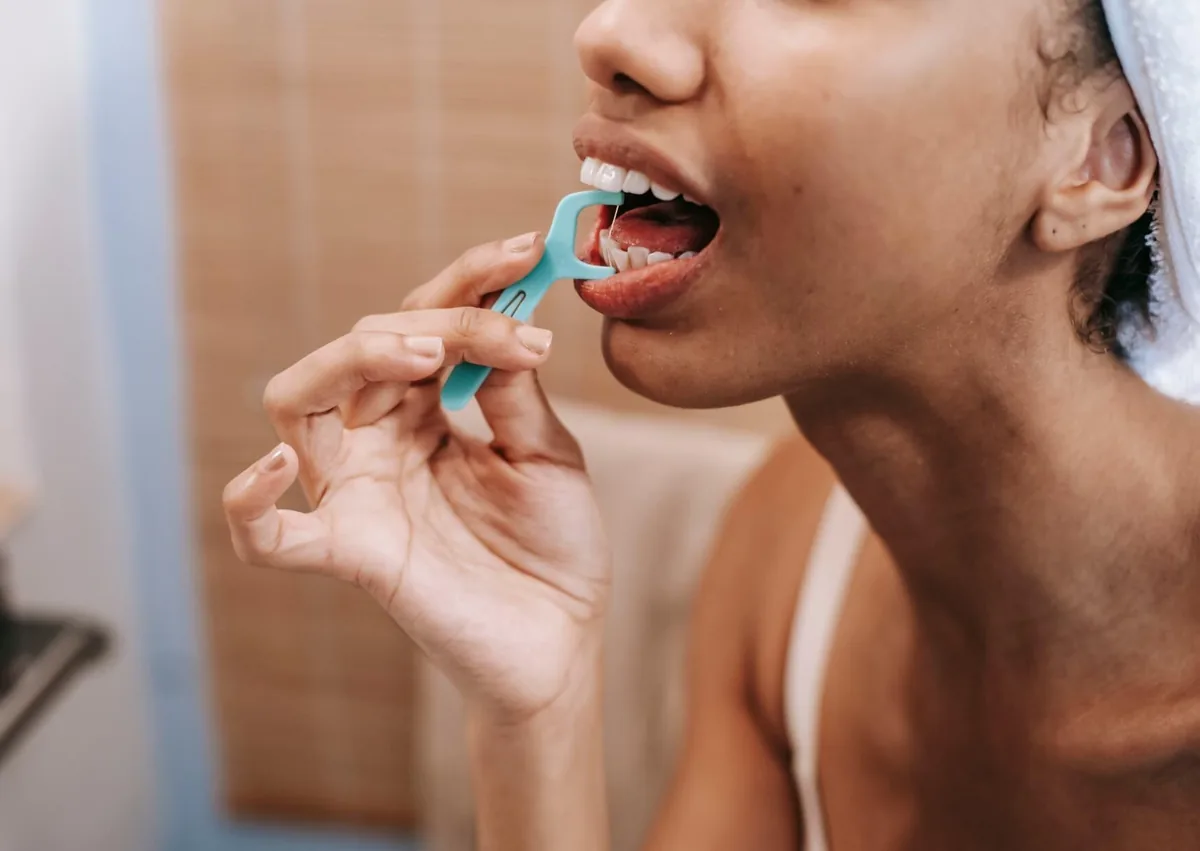
Brush twice a day with fluoride toothpaste and a soft-bristled toothbrush. Use gentle pressure along the gumline.
Clean between the teeth every day with floss, interdental brushes, or another tool recommended for your mouth. If you wear retainers, dentures, or other removable appliances, clean them as directed.
Try to limit frequent sugary snacks and drinks, which increase repeated acid exposure and raise cavity risk. Replace a worn toothbrush regularly so home care stays effective.
Do not wait for pain before calling a dentist. Persistent bleeding gums, bad breath, loose teeth, gum recession, tooth sensitivity, or a change in how your teeth fit together should be evaluated even if your next cleaning is already scheduled.
You should also schedule an evaluation for tooth pain, a broken tooth, swelling, or a mouth sore that lasts longer than two weeks. These problems may need diagnosis and treatment, not just an earlier cleaning.
If the exam shows decay, dental fillings or other restorative care may be recommended. Seek urgent dental or medical care for rapidly increasing facial or neck swelling, fever with dental swelling, uncontrolled bleeding, trouble swallowing, or trouble breathing.
If cleaning, assessment, or follow-up care is needed, the next step is a brief preventive visit so your dental team can confirm what treatment is appropriate. Charlotte Dental Associates focuses on dental cleanings and prevention in Charlotte, NC, and near University City and University Place; call (704) 548-8563 to schedule an appointment.
It usually causes pressure, vibration, or mild sensitivity rather than significant pain. Inflamed gums, exposed roots, or heavy tartar can make it less comfortable, so tell the dental professional what you are feeling.
Polishing can remove some outside stains from coffee, tea, tobacco, and certain foods, which may make teeth look brighter. It does not change the natural inner tooth color the way professional teeth whitening can.
Bleeding often happens when plaque has caused gum inflammation, though other health factors can also contribute. Bleeding that is frequent, heavy, or persistent should be evaluated rather than assumed to be normal.
Most people can eat right away unless fluoride treatment or another procedure requires a short waiting period. Follow your dental team's instructions, and consider avoiding very hot, cold, or hard foods if your teeth or gums feel sensitive.
No. A cleaning removes deposits from the teeth, while an exam checks the teeth, gums, bite, and surrounding tissues for signs of disease or damage. They are often done at the same visit, but they serve different purposes.