
We moved down the street! See You at our new location: 8401 University Executive Park Dr., Suite 120, Charlotte, NC 28262. Call now to schedule an appointment
Gum recession happens when the gumline pulls away from a tooth and exposes part of the root. Receded gums usually do not grow back on their own, but early dental care can treat the cause, reduce sensitivity, protect the root, and help prevent more damage.
If you’re noticing exposed roots, persistent sensitivity, or changes to your gumline, routine dental cleanings combined with preventive care can help stop progression and identify underlying causes early. Charlotte Dental Associates in Charlotte, NC, offers gentle preventive visits that reduce plaque, monitor gum health, and protect teeth from worsening recession.
A tooth with gum recession may look longer than nearby teeth. You may also notice a small notch near the gumline or a yellower area where the root is exposed.
Common symptoms include sensitivity to cold, heat, sweets, or brushing. Some people also notice bleeding, swollen gums, bad breath, or a loose tooth, while mild recession may cause no symptoms at all.
An uneven gumline does not always mean there is a problem. A dentist can measure the gumline and the spaces around each tooth to tell whether true recession or gum disease is present.
Gum recession often develops slowly and may have more than one cause. Common causes include:
Recession can happen even if you brush every day. Brushing harder does not clean better and may wear the gumline over time.
A dental exam usually includes measuring how much root is exposed and checking for periodontal pockets, which are spaces between the tooth and gum. The dentist may also look for inflammation, tooth mobility, brushing habits, bite forces, and bone loss on dental X-rays.
This helps separate recession caused mainly by irritation or anatomy from recession linked to periodontitis, which is advanced gum disease. That difference matters because treatment should address the cause, not just the exposed root.
Treatment depends on the cause, severity, symptoms, and risk of progression. Some cases only need monitoring and home-care changes, while others need gum disease treatment or a procedure to cover and protect the root.
|
Treatment Approach |
When It May Be Used |
What To Expect |
|---|---|---|
|
Gentle home-care changes |
Mild or stable recession related to brushing |
Less irritation, although lost gum tissue usually does not return |
|
Desensitizing or fluoride treatment |
Exposed roots that react to temperature or sweets |
Sensitivity may improve and the root may gain added protection against decay |
|
Professional cleaning or periodontal therapy |
Plaque, tartar, inflammation, or gum disease |
May include tooth scaling to remove plaque and tartar below the gumline, with follow-up measurements |
|
Tooth-colored bonding |
Selected exposed roots, notches, or cosmetic concerns |
Resin covers part of the root but does not replace gum tissue |
|
Gum graft or other periodontal surgery |
Progressive or significant recession, thin tissue, or difficult-to-clean roots |
Tissue is added or repositioned to improve coverage and protection |
A gum graft may use tissue from another part of the mouth, donated processed tissue, or another material chosen by a periodontist. Results vary, and complete root coverage is not possible in every case, especially when bone or tissue between the teeth has already been lost.
Exposed roots are also more likely to develop cavities. In some cases, dental fillings can protect the root surface and reduce sensitivity. Learn more about what a cavity feels like.
If tooth position is part of the problem, orthodontic treatment may help in selected cases. When gums or bone are thin, tooth movement needs careful planning, and a dentist may coordinate care with a periodontist or orthodontist.
Use a soft-bristled toothbrush and brush with light pressure instead of scrubbing side to side. An electric toothbrush with a pressure sensor may help if you tend to brush too hard.
Clean between the teeth every day with floss, interdental brushes, or another method your dentist recommends. Regular dental cleanings can remove hardened tartar and help catch subtle changes early.
Avoid tobacco and remove oral jewelry that rubs the gums. If grinding, tooth position, or a dental restoration seems to be contributing, ask a dentist to evaluate it rather than trying to adjust anything at home.
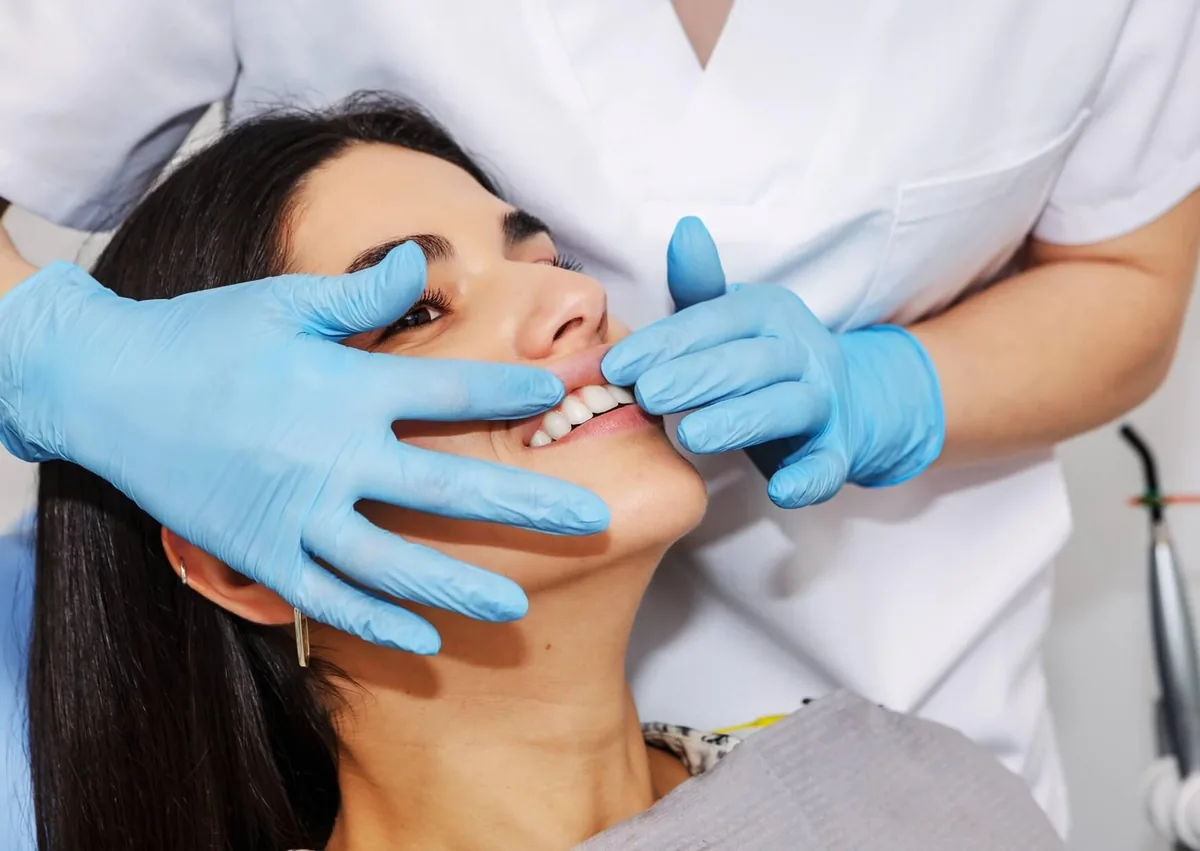
Schedule a dental visit if a tooth looks longer, a root becomes visible, sensitivity does not improve, or the gumline keeps changing. You should also be evaluated for repeated bleeding, swelling, bad breath, pain when chewing, or a tooth that feels loose.
Gum recession can also raise the risk of an infected tooth because exposed roots and deeper pockets can let bacteria reach vulnerable areas. Prompt treatment can help protect both the tooth and the surrounding tissues.
Seek urgent care for rapidly increasing swelling, severe pain, pus, fever, facial swelling, trouble swallowing, or trouble breathing. Trouble breathing or swallowing requires emergency medical attention.
Because recession is easier to manage before major root or bone exposure develops, it is best not to ignore unexplained changes. A dental exam can identify the likely cause and show whether monitoring, periodontal treatment, or root coverage makes the most sense.
If you have exposed roots, persistent sensitivity, or a changing gumline, a preventive visit lets a clinician assess recession, remove tartar, and recommend treatment to limit further loss. Charlotte Dental Associates provides dental cleanings and preventive care in Charlotte, NC, and serves University City and University Place; call (704) 548-8563 or book online.
Receded gum tissue generally does not regrow naturally. Treatment can control the cause and protect the tooth, while gum grafting may restore coverage in appropriate cases.
No. Gum disease is a major cause, but brushing too hard, thin gum tissue, tooth position, tobacco, and oral piercings can also contribute.
Mild recession by itself does not always lead to tooth loss. However, recession linked to significant gum disease and bone loss can weaken tooth support if it is not treated.
No. Keep cleaning the area gently with a soft-bristled toothbrush because plaque can increase the risk of inflammation and root decay. If brushing hurts, ask a dentist about technique changes and sensitivity products.
The rate varies. It may stay stable for years or worsen faster when active gum disease, ongoing trauma, tobacco use, or unfavorable tooth position is present, so periodic measurements are helpful.