
We moved down the street! See You at our new location: 8401 University Executive Park Dr., Suite 120, Charlotte, NC 28262. Call now to schedule an appointment
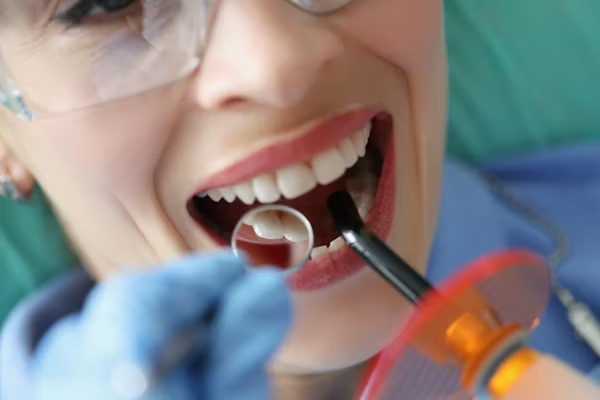
Gum health plays a vital role in maintaining a confident smile and supporting long-term oral wellness. However, gum disease often progresses quietly, with early changes developing long before pain or obvious discomfort appears. When symptoms are ignored, professional periodontal care becomes necessary to protect the supporting tissues and prevent avoidable complications.
Clinicians at Charlotte Dental Associates approach gum therapy with careful diagnosis, precise treatment, and patient-focused comfort. With proven periodontal techniques and a welcoming clinical environment, they help patients regain control of oral health and maintain stable results over time.
Gum disease is a progressive condition that worsens over time if left untreated. It typically begins with mild inflammation and may advance to serious infection affecting the gum attachment and underlying bone.
Plaque is a sticky bacterial film that forms naturally every day. If it isn’t removed effectively, it hardens into tartar, which bonds tightly to teeth and requires professional removal.
Once tartar forms below the gumline, bacteria can trigger inflammation, tissue breakdown, and progressive periodontal damage.
Scaling and root planing is a non-surgical periodontal therapy intended to remove bacterial deposits and smooth tooth roots so gums can heal more effectively.
The goal is to reduce bacteria, control inflammation, shrink periodontal pockets, and support gum reattachment.
Routine dental cleanings focus primarily above the gumline. Deep cleaning addresses buildup below the gumline and along root surfaces.
Dentists may recommend deep cleaning when there is:
If bad breath lingers despite brushing, flossing, and rinsing, bacteria under the gumline could be the cause.
Gums that bleed during routine brushing or flossing often signal inflammation that needs professional treatment.
Receding gums may expose roots, increasing sensitivity and risk of decay.
Accurate diagnosis is essential. At Charlotte Dental Associates, periodontal evaluations support informed, personalized treatment planning.
A periodontal probe measures pocket depth, helping determine disease severity and treatment needs.
X-rays reveal bone loss and changes around the tooth roots that can’t be seen during a visual exam.
Your dentist evaluates gum color, firmness, bleeding points, plaque buildup, and recession patterns.
Local anesthesia is often used to reduce discomfort, especially when deeper pockets are present. Comfort options may vary depending on the patient and clinical findings.
Many practices treat the mouth in quadrants (upper right, upper left, lower right, lower left) to maintain accuracy and comfort.
After scaling and planing, teeth may be polished to help reduce plaque retention and support a smoother surface.
Some cases may be completed in one longer visit, but many are scheduled across two visits for patient comfort and thoroughness.
| Disease Level | Typical Time Estimate |
| Mild | 60–90 minutes |
| Moderate | Two visits (quadrants split) |
| Severe | Multiple sessions plus follow-up care |
Patients treated at Charlotte Dental Associates often notice that gums feel cleaner and tighter within days, with gradual improvement over weeks.
Soreness is common for a short period, especially with cold foods or drinks.
As swelling reduces, gums may tighten and appear less puffy.
Minor bleeding may occur for the first day or two. Gentle brushing and flossing should continue unless your dentist advises otherwise.
Discomfort typically decreases significantly within the first two days, especially with proper home care.
Over the next several weeks, gums may reattach more securely and pocket depth can reduce.
Long-term results depend on consistent home care and periodontal maintenance visits.
An antibacterial rinse may reduce bacterial load during healing. Use as directed.
Localized antibiotic therapy may be placed directly in periodontal pockets.
For advanced infection, oral antibiotics may be prescribed based on clinical judgment.
Over-the-counter anti-inflammatories may be recommended to manage discomfort.
Deep cleaning removes irritants that drive inflammation and tissue breakdown.
Stabilizing the gums helps preserve bone and tooth support.
Reducing bacteria often leads to fresher breath and healthier gum tissue.
Sensitivity is usually temporary, especially in areas with recession.
As swelling decreases, the gums may appear slightly lower, revealing existing recession.
Infection is uncommon when aftercare instructions are followed.
Deep cleaning uses periodontal instruments designed for subgingival tartar removal.
Deep cleaning generally requires more time, clinical precision, and often multiple visits.
If gum pockets are deep and tartar is embedded below the gums, routine cleaning cannot adequately address the problem.
For more complex conditions, Charlotte Dental Associates can help evaluate advanced options if needed.
Laser periodontal therapy may reduce bacteria and inflammation in certain cases.
Surgical reduction of pockets can improve access for cleaning and long-term maintenance.
Grafting may be recommended for significant recession or root exposure.
Periodontal patients often benefit from more frequent cleanings to prevent relapse.
Regular measurements track healing and identify early recurrence.
Maintenance visits remove tartar before it becomes destructive again.
Bone loss can compromise tooth stability and future dental treatment options.
As the support structures weaken, teeth may shift or loosen.
Gum disease has associations with systemic inflammation and certain health conditions.
Deeper pockets may require multiple visits and close follow-up.
Adjunctive options may include antibiotics, laser therapy, or surgical referral.
Periodic re-evaluation ensures the disease remains controlled.
Fees vary by severity and location. Deep pockets and heavy tartar buildup often increase cost.
Insurance may cover part of the treatment depending on periodontal diagnosis and plan benefits.
Early non-surgical care may reduce the need for surgical intervention later.
If you’re searching for an Affordable Dentist in Charlotte, NC, Charlotte Dental Associates is Charlotte’s premier dental office accepting NC Medicaid & NC Health Choice. We provide top-quality dental care to every patient and offer a wide variety of dental services for the whole family in a caring, welcoming environment.
Our proven treatments and techniques support long-term dental and overall health, including deep cleanings, preventive care, restorative services, and more.
We’ve moved down the street, and we’d love to welcome you to our new office.
New Location: 8401 University Executive Park Dr., Suite 120, Charlotte, NC 28262
Hours: Monday–Thursday, 9:00 am – 4:00 pm
If your gums have been bleeding, your breath hasn’t felt fresh, or your dentist has mentioned “pockets,” now is the time to take action. Contact Charlotte Dental Associates to schedule an evaluation and protect your smile.
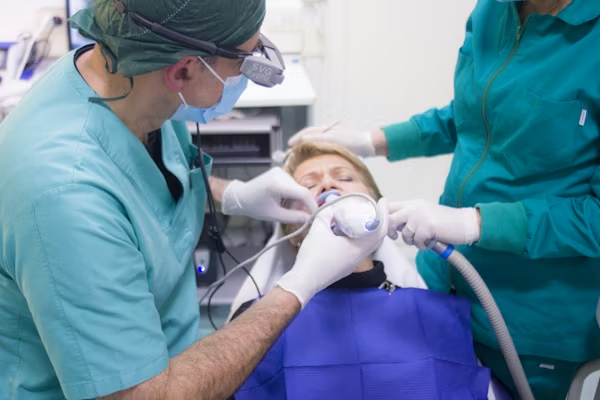
Periodontal scaling and root planing is a proven, non-surgical approach to managing gum disease and protecting the foundation of your smile. By removing harmful bacteria below the gumline and supporting proper healing, this treatment helps prevent further tissue and bone damage while improving long-term oral health.
With expert diagnosis, advanced periodontal care, and a patient-focused approach, Charlotte Dental Associates remains committed to helping patients achieve healthier gums and lasting results. Through personalized treatment plans and ongoing periodontal maintenance, their team supports every step of your journey toward improved dental and overall wellness.
Most patients feel significantly better within a few days. Healing continues over several weeks as gum pockets reduce and tissues stabilize.
Deep cleaning reduces swelling, so gums may look “lower” afterward. This is usually a reveal of existing recession rather than new damage.
It can stop progression and significantly improve gum health. Advanced periodontitis may not be fully reversible, but it can often be controlled.
We use periodontal maintenance schedules, regular pocket monitoring, tailored home-care coaching, and early intervention when changes are detected.