
We moved down the street! See You at our new location: 8401 University Executive Park Dr., Suite 120, Charlotte, NC 28262. Call now to schedule an appointment
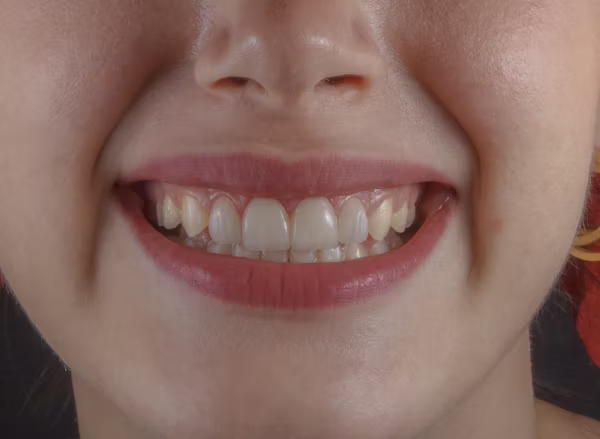
When it comes to modern dental care, composite fillings have become the go-to solution for restoring teeth naturally and durably. Today’s patients want restorations that look great, feel great, and last—and that’s exactly what composite resin provides.
Many trusted dental offices, including Charlotte Dental Associates, utilize advanced techniques and materials to ensure that each patient receives high-quality, long-lasting results in a welcoming and caring environment.
Composite fillings are tooth-colored restorations made from a blend of resin and finely ground glass. They offer a natural look, strong adhesion, and safe, mercury-free protection against cavities.
Composite resin typically includes:
These materials work together to create a restoration that blends seamlessly into the tooth.
Amalgam uses a mixture of metals—including silver, tin, and mercury—while composite relies on resin and glass. Composite is more aesthetic, mercury-free, requires less drilling, and bonds chemically to the tooth.
Dentists often choose composite because:
Composite fillings aren’t only for cavities—they serve multiple restorative and cosmetic purposes.
Composite resin works extremely well for mild to moderate decay, sealing the area tightly to prevent future problems.
A chipped edge? A hairline crack? Composite can quickly restore form and function.
Many patients upgrade from silver fillings to composite for cosmetic reasons—and sometimes for better bonding strength.
The biggest perk? A near-perfect match to your natural enamel. No one can tell you’ve had work done… unless you brag a little.
The resin bonds directly to the tooth, strengthening the remaining structure rather than weakening it.
Composite requires less removal of healthy enamel—music to everyone’s ears.
Massive decay may require dental crowns or other restorations instead of a filling.
Coffee and red wine lovers—be mindful! Composite can discolor slightly, though polishing helps.
Although strong, composite doesn’t outlast gold or porcelain in very heavy-chewing areas.
At trusted dental offices like Charlotte Dental Associates, the process is efficient, comfortable, and precise.
A local anesthetic ensures you stay comfortable. The dentist isolates the tooth to keep moisture out.
Only the damaged part of the tooth is removed—preserving healthy enamel.
Composite is placed in layers, sculpted carefully to match the tooth’s natural shape.
A special blue light hardens each layer within seconds—pretty cool, right?
Your dentist buffs the surface until it’s glossy and toothlike.
Your bite gets checked to ensure everything feels comfortable—no high spots, no awkward pressure.
Most composite fillings last 7–12 years, though many last longer with proper care.
If the filling chips, cracks, leaks, or wears down, your dentist may recommend a replacement.
Use fluoride toothpaste and soft bristles—gentle but effective.
Sticky candies, hard nuts, or very hot beverages should be avoided until the filling fully settles.
Routine exams allow your dentist to monitor the integrity of the filling over time.
Mild sensitivity is normal—but sharp or worsening pain isn’t.
Most sensitivity fades within 3–7 days.
Call your dental office if pain persists longer than a week or gets worse.
It blends perfectly, maintains translucency, and can be shaped artistically.
Composite holds up well, but extremely large molar restorations may require more durable materials.
Porcelain or gold may be suggested for cases involving heavy chewing or large areas of decay.
Dentists follow safety protocols to minimize exposure to metal particles.
Composite creates a more natural and uniform smile.
Costs typically range from $150 to $450, depending on the tooth and cavity size.
Most insurance plans cover composite fillings at least partially.
Many dental offices offer:
They seal out bacteria, preventing decay from spreading deeper.
Good hygiene + regular cleanings = fewer fillings down the road.
A balanced diet, fluoride use, and consistent oral care keep enamel strong.
Extremely durable and stain-resistant—often used for larger restorations.
Strong and long-lasting, but not aesthetically appealing.
Pros: ultra durable
Cons: costly and very noticeable
If too much tooth structure is lost, a crown offers full coverage protection.
If decay reaches the nerve, a root canal may be needed before restoring the tooth.
Composite resin is extremely versatile—it can repair chips, gaps, and irregularities.
Skilled dentists can sculpt the resin to mimic real tooth anatomy.
Composite work often requires little to no drilling—minimally invasive and visually impactful.
For the best dental care in Charlotte, Charlotte Dental Associates offers comprehensive dental services for the whole family, including top-quality Composite Fillings, dental cleanings and X-rays, dental crowns, dental bridges, dentures, extractions, pediatric dentistry, and cosmetic enhancements.
Recognized as an Affordable Dentist and Charlotte's premier dental office accepting NC Medicaid & NC Health Choice, they are conveniently located at 8401 University Executive Park Dr., Suite 120, Charlotte, NC 28262. The office hours are Monday through Thursday, 9:00 AM to 4:00 PM.
If you're ready to restore your smile with natural-looking, durable composite fillings, call today to schedule your appointment!
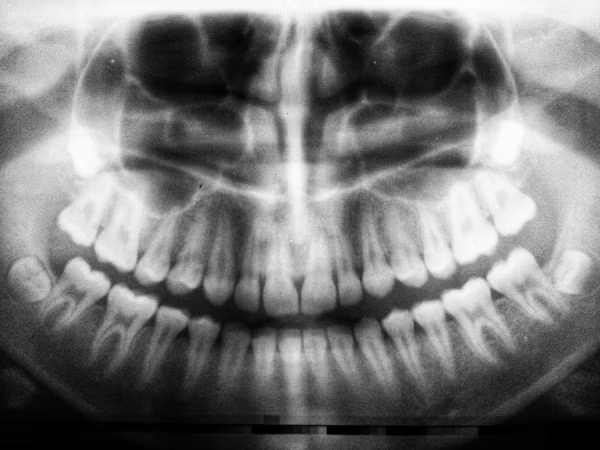
Composite fillings are an excellent solution for restoring damaged teeth while maintaining a beautiful, natural-looking smile.
They’re safe, versatile, durable, and preferred by most dentists for small to medium restorations. Whether you’re dealing with a new cavity, replacing an old filling, or improving your smile, composite resin offers impressive benefits.
And with expert care from Charlotte Dental Associates, you can trust that your oral health is in the best hands.
Yes—composite fillings are mercury-free and completely safe for patients of all ages.
You can typically eat once the numbness wears off, though soft foods are recommended at first.
Absolutely. Dentists carefully select a shade that blends naturally with your enamel.
They can pick up mild staining, especially from coffee, tea, or smoking, but polishing helps maintain their appearance.
Charlotte Dental Associates provides high-quality, personalized composite filling treatments using modern techniques for long-lasting and beautiful results.